
Perymenium grande
Perymenium grande
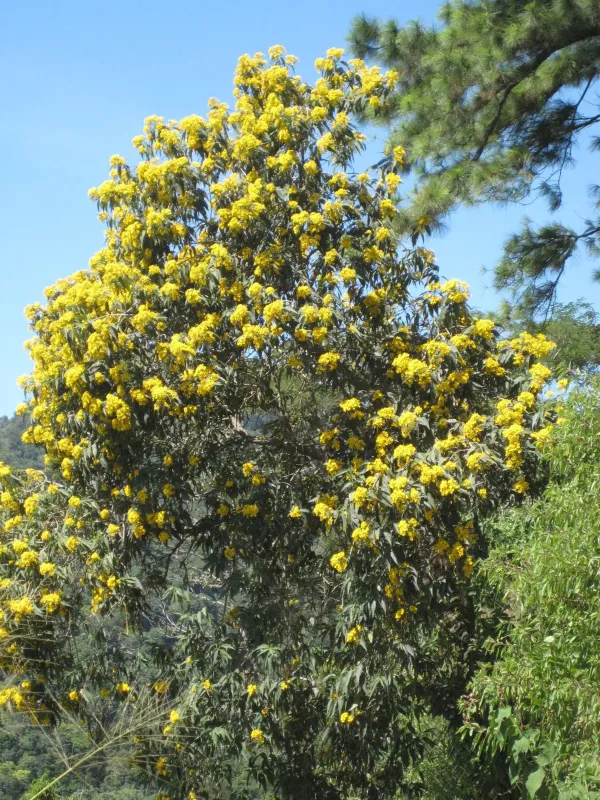
Description
Sowing dates
Perymenium grande is propagated primarily through seeds, which should be collected from mature, healthy specimens to ensure high germination rates and vigor of the future crop.
Sowing in open fields should occur once the danger of late spring frost has completely passed and the soil temperature has reached a consistent level conducive to rapid growth.
The seeds require a light, well-draining soil mix when started in nursery trays; keeping the surface moist but not waterlogged is essential for the initial developmental stages.
If utilizing a direct seeding method, spacing between plants should be adjusted according to the desired density, keeping in mind the natural spread of this shrub species.
For optimal results, seeds should be sown at a depth of approximately 1 cm, ensuring they remain protected from potential wind displacement until the root systems are established.
Growing requirements
As a member of the Asteraceae family, Perymenium grande is a robust shrub native to the diverse landscapes of Mexico, typically found in areas with temperate to warm climates.
The species demands a location with full sun exposure to maintain its structural integrity and encourage the production of its signature floral displays throughout the season.
Regarding soil preferences, it thrives in deep, fertile soils that offer excellent drainage, as the plant is sensitive to anaerobic conditions caused by stagnant water.
Although it is moderately drought-tolerant once mature, it requires consistent moisture during the establishment phase to build the root mass necessary for later endurance.
Periodic fertilization with balanced organic or slow-release fertilizers can significantly enhance the plant's overall health, especially when grown in soils with lower natural fertility.
Main diseases and pests
The most common biological threats to Perymenium grande include aphids and spider mites, which can cause significant damage to the foliage during periods of extreme heat and dryness.
Fungal infections, such as root rot or powdery mildew, often arise due to poor cultural practices like overcrowding or improper irrigation methods in humid conditions.
- Monitor leaf undersides regularly for early signs of pest activity.
- Ensure adequate spacing between plants to improve airflow.
- Implement integrated pest management (IPM) to maintain ecological balance.
In cases of severe infestation, using targeted horticultural oils or soaps is recommended to protect beneficial insects while controlling the harmful pest populations.
Maintaining a clean growing environment by removing debris and weeds reduces the habitats available for these pests and pathogens to thrive and reproduce.