
Emory's rock daisy
Perityle emoryi
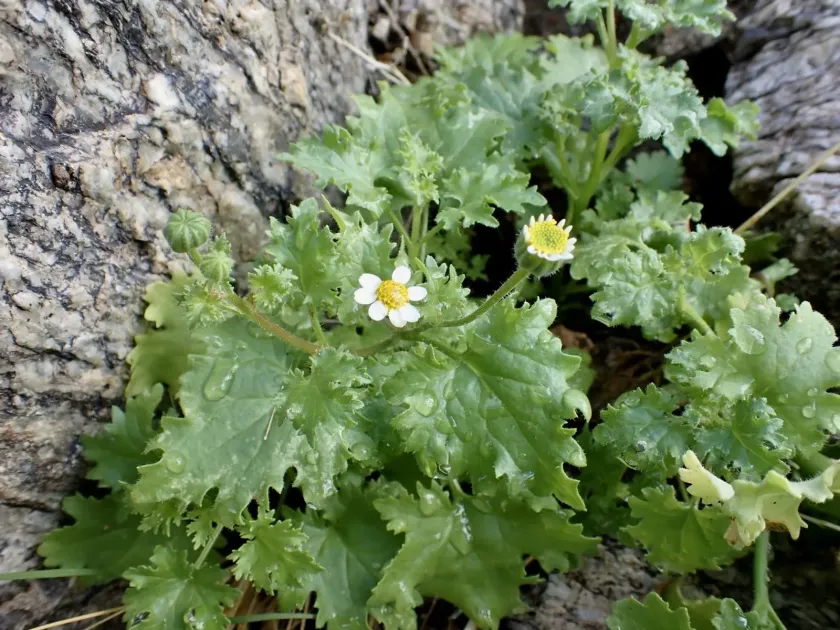
Description
Sowing dates
Emory's rock daisy is an annual herbaceous plant adapted to the ephemeral growth cycle of arid environments. Seeds are typically sown in early spring, following the final frosts, in well-prepared, loose soil beds.
Due to the small size of the seeds, shallow sowing is mandatory, as adequate light exposure is a prerequisite for triggering successful germination in this species.
The plant demonstrates rapid vegetative development, quickly establishing a root system capable of tapping into moisture reserves in the lower layers of the soil.
Proper spacing is crucial to prevent resource competition and to ensure that each individual plant receives sufficient air circulation, which is vital for preventing fungal infections.
In a controlled cultivation setting, providing a stable temperature range is more important than deep fertilization, as the plant is adapted to nutrient-poor soils.
Growing requirements
Belonging to the Asteraceae family, Perityle emoryi is natively distributed across the Southwestern United States and Northern Mexico, thriving in rocky, sandy, and well-drained terrains.
The plant requires full sun exposure for the majority of the day to maintain its compact growth habit and to promote the development of its distinctive floral heads.
Soil requirements focus on high permeability; any substrate that retains excessive water will lead to rapid decay of the root system and plant mortality.
While adapted to desert conditions, Emory's rock daisy responds well to supplemental irrigation during its peak flowering phase, which extends the overall duration of the bloom.
Environmental pH should remain close to neutral or slightly alkaline, reflecting the natural chemical profile of the desert soils where this species is commonly found.
Main diseases and pests
Root rot and crown diseases are the primary threats to Perityle emoryi when grown in non-native, humid climates or poorly drained soil conditions.
Insects, such as aphids and specialized leaf miners, can become problematic during the transition from the vegetative stage to the flowering stage of the plant.
Proactive management involves ensuring sufficient airflow around the base of the plant to keep the stems and leaves dry, significantly reducing the risk of powdery mildew.
In cases of heavy pest infestation, integrated pest management (IPM) strategies, including the use of beneficial insects, are preferred over broad-spectrum chemical pesticides.
Regular scouting is recommended to identify early signs of nutrient deficiencies or pest damage before they compromise the health of the entire crop population.