
Peritassa campestris
Peritassa campestris
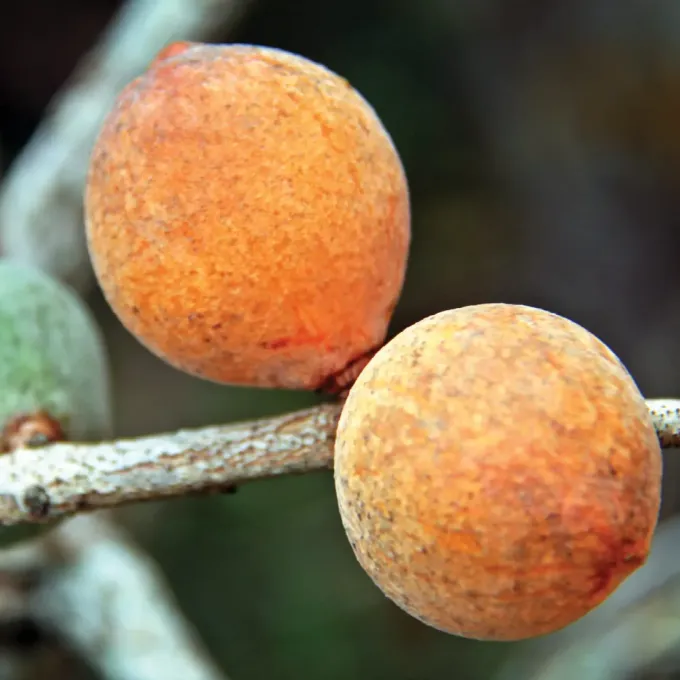
Description
Growing requirements
Peritassa campestris is a woody species belonging to the Celastraceae family, native to the tropical and subtropical regions of South America.
The plant thrives in tropical savanna environments, where it has evolved to withstand seasonal fluctuations in moisture and temperature.
It prefers well-drained, nutrient-poor, sandy or rocky soils, reflecting its natural habitat adaptations where soil aeration is critical for root health.
Cultivation requires full sun exposure, as the species is sensitive to shading which can significantly inhibit its vegetative development and fruiting capacity.
In terms of agronomy, maintaining the right balance of soil moisture is essential, ensuring that drainage is sufficient to prevent root rot during intense rainfall seasons.
Yield
The primary economic interest in Peritassa campestris lies in its fruits, which are consumed by local communities for their nutritional and potential medicinal properties.
Yield stability is largely dependent on successful pollination, making the presence of local pollinator populations a key factor for commercial plantation success.
Harvesting is typically done through manual picking once the fruit reaches the optimal maturity stage, characterized by a specific color and texture change.
Post-harvest handling is critical to ensure the quality of the fruit, requiring cool and ventilated storage conditions to prevent rapid degradation.
Ongoing research aims to optimize propagation techniques, such as grafting or cuttings, to produce uniform orchards with higher fruit output and better shelf life.
Main diseases and pests
The crop is susceptible to various tropical pests, including fruit-piercing moths and beetles that can severely impact the quality of the marketable harvest.
Fungal pathogens represent a major threat during humid periods, potentially leading to leaf blight and reduced overall vigor of the woody plant structures.
Weed competition during the early establishment phase is a significant issue, as invasive grasses can easily outcompete slow-growing seedlings for nutrients.
Integrated Pest Management (IPM) is recommended, focusing on biological controls and regular field scouting to identify infestations before they spread.
Proper sanitation, including the removal of infected plant debris, is vital to reduce the inoculum density of common tropical plant diseases in the area.