
Periballia involucrata
Periballia involucrata
Description
Growing requirements
Periballia involucrata is an annual grass species belonging to the Poaceae family. Native to the Mediterranean region, this plant has adapted to Mediterranean climates characterized by mild, wet winters and hot, dry summers.
The species thrives in open, sunny locations and is typically found in meadows, pastures, and rocky ground. It prefers well-drained, sandy soils that allow for rapid moisture movement, preventing root rot during occasional wet spells.
Regarding climatic requirements, the plant shows significant drought tolerance, which is essential for surviving the arid summer months in its natural distribution area. It does not tolerate frost and typically completes its life cycle before extreme heat sets in.
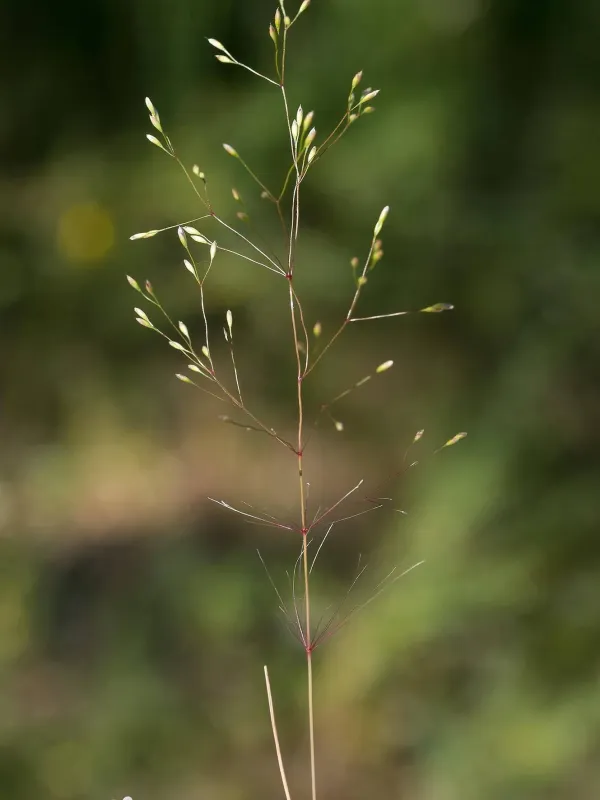
Botanically, Periballia involucrata is recognized by its delicate panicles and its involucre structures that protect the spikelets. Its growth habit is upright, reaching moderate heights, which makes it efficient in utilizing available space within a meadow ecosystem.
The agricultural usage of this grass is primarily focused on biodiversity management and soil conservation. As a component of natural pasture systems, it provides essential cover and helps prevent wind and water erosion on vulnerable landscapes.
Main diseases and pests
Typical threats for this grass include rust fungi that can proliferate in conditions of high humidity. Effective field management relies on ensuring adequate spacing to promote airflow and reducing micro-climatic humidity around the plant stems.
Pests such as cereal aphids often target the inflorescences during the flowering stage, which can significantly reduce seed yield. Integrated pest management strategies should focus on monitoring and protecting local natural predatory insect populations.