
Pera glabrata
Pera glabrata
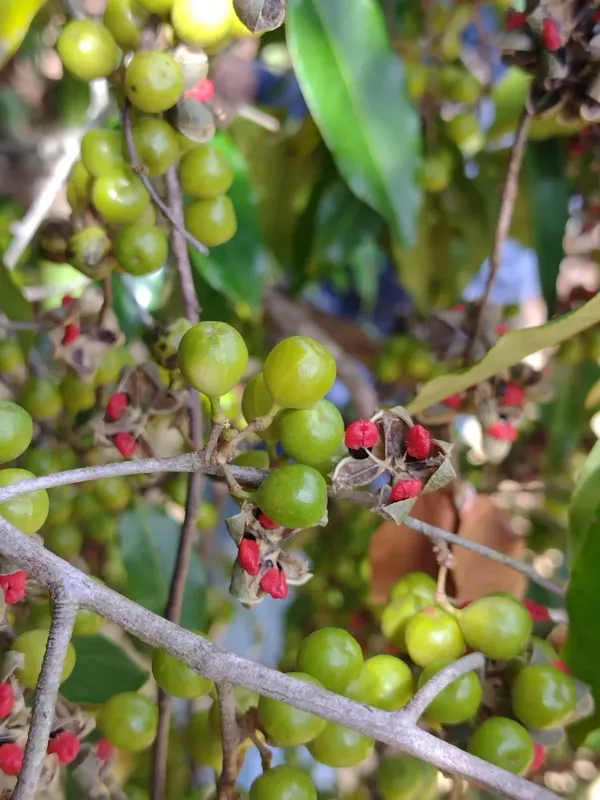
Description
Growing requirements
Pera glabrata is a woody plant species belonging to the Peraceae family, native to the tropical landscapes of South America, particularly within Brazil. It is a key species in forest ecosystems, known for its resilience and specific growth patterns in tropical habitats.
The plant thrives in regions with warm, tropical climates characterized by high rainfall and consistent temperatures. It demands fertile, well-draining soils that provide constant moisture without becoming waterlogged, which is essential for healthy canopy development.
Botanically, Pera glabrata is distinguished by its smooth foliage and robust structure. The tree exhibits a steady growth rate, often utilizing specialized physiological mechanisms to manage hydration during seasonal transitions common in its native range.
Regarding its agricultural and forestry applications, the species is frequently utilized in reforestation projects due to its ability to colonize secondary forest environments. It plays a vital role in maintaining the structural integrity of tropical forest soils and providing a habitat for local fauna.
The wood of Pera glabrata is historically valued for local construction and the production of small-scale artisanal goods. Proper management of this species involves monitoring canopy density and soil fertility to ensure sustained yield of biomass in managed forest zones.