
Peplonia organensis
Peplonia organensis
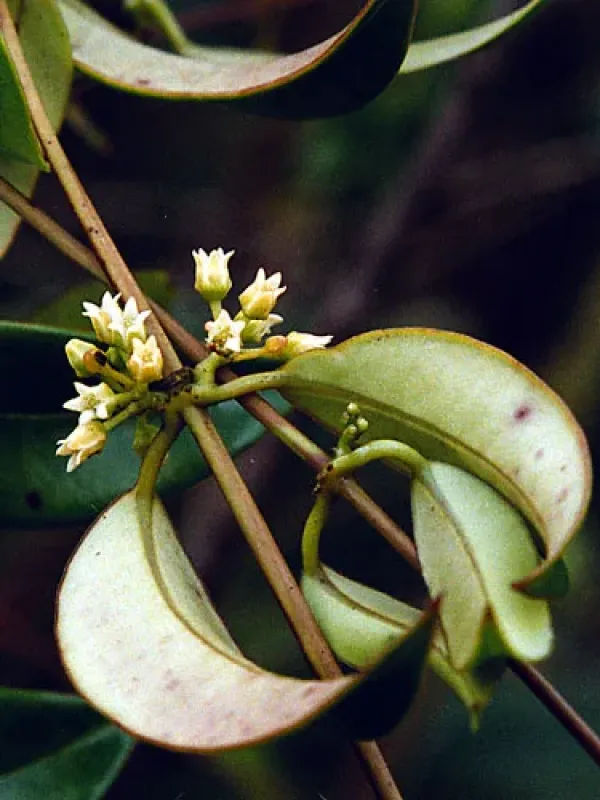
Description
Growing requirements
Peplonia organensis is a rare plant species classified under the Apocynaceae family, known for its distinct growth habit as a climbing vine or semi-shrub.
Originating from the tropical regions of South America, specifically Brazil, the plant is adapted to the humid conditions found in forest margins and mountainous areas.
The climate requirements for this species are strict, necessitating warm temperatures and high humidity levels, which makes greenhouse or indoor cultivation essential in non-tropical zones.
Soil quality is paramount, requiring a well-draining, nutrient-rich substrate that mimics forest soil composition to prevent root rot and promote healthy vegetative growth.
Proper agricultural practices include providing structural support for the vines and maintaining consistent light levels, avoiding extreme shade or intense midday exposure.
Main diseases and pests
The primary threats to Peplonia organensis include fungal pathogens that develop rapidly in poorly ventilated environments or soils with excessive moisture retention.
Pests such as spider mites, mealybugs, and aphids are known to target the tender foliage of the plant, potentially leading to stunted growth or severe structural damage.
Integrated pest management, including regular inspection and the use of targeted biological controls, is the most effective approach to mitigating these threats.
Maintaining cleanliness in the growing area is crucial, as debris and decaying organic matter can harbor spores and pests harmful to the plant.
Consistent monitoring and early intervention are essential to maintain the health and decorative value of this rare botanical specimen throughout the growing season.