
Pentagonia macrophylla
Pentagonia macrophylla
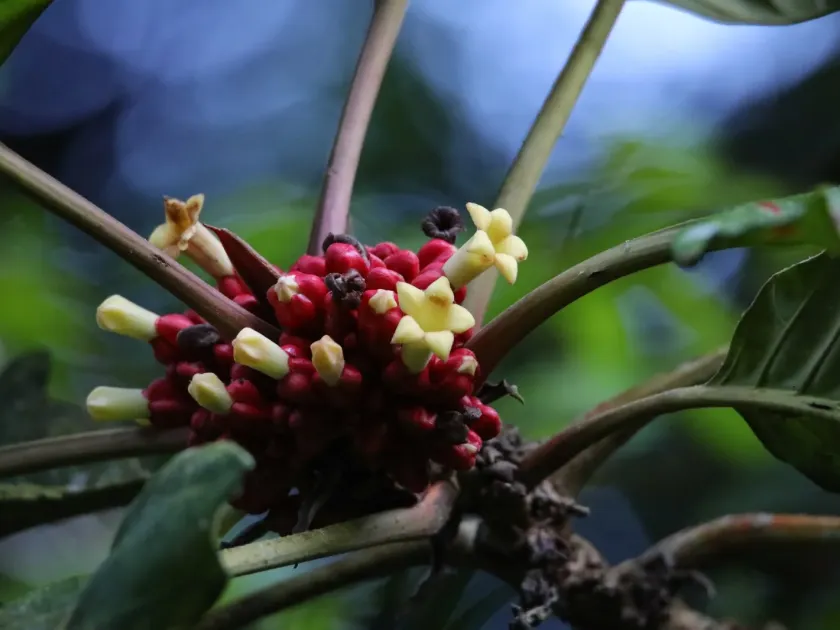
Description
Growing requirements
Pentagonia macrophylla is a distinctive perennial plant belonging to the Rubiaceae family. Known primarily for its massive, impressive leaves, this species grows as a shrub or small tree, exhibiting striking morphological features typical of tropical rainforest flora.
The plant originates from the tropical regions of Central and South America, where it thrives in the understory of dense, humid forests. Because of its native habitat, it requires specific microclimatic conditions to thrive in a cultivated or greenhouse setting.
Regarding soil requirements, Pentagonia macrophylla prefers a rich, organic-based substrate that mimics the forest floor. Excellent drainage is non-negotiable to prevent root rot, while constant moisture retention in the soil is essential for the plant's metabolic health.
Cultivation practices dictate that the plant should be grown in partial shade, as direct intense sunlight can scorch its large, delicate leaves. High humidity levels are vital for leaf development, and any fluctuation in air moisture can lead to leaf edge necrosis or stunted growth.
In terms of agricultural and horticultural use, this species is mainly utilized as an ornamental plant in botanical conservatories and private tropical gardens. Its aesthetic value is derived from its architecture, which makes it a focal point in indoor tropical plant collections.
Main diseases and pests
The main threats to Pentagonia macrophylla include fungal diseases, particularly those affecting the root system due to waterlogged soil conditions. Proper irrigation management and the use of sterile potting media are critical steps for long-term health.
Common pests include spider mites and mealybugs, which thrive in stagnant, dry air conditions. Routine monitoring and maintaining optimal environmental humidity help prevent these infestations from causing significant damage to the lush foliage of the plant.