
Pentadesma butyracea
Pentadesma butyracea
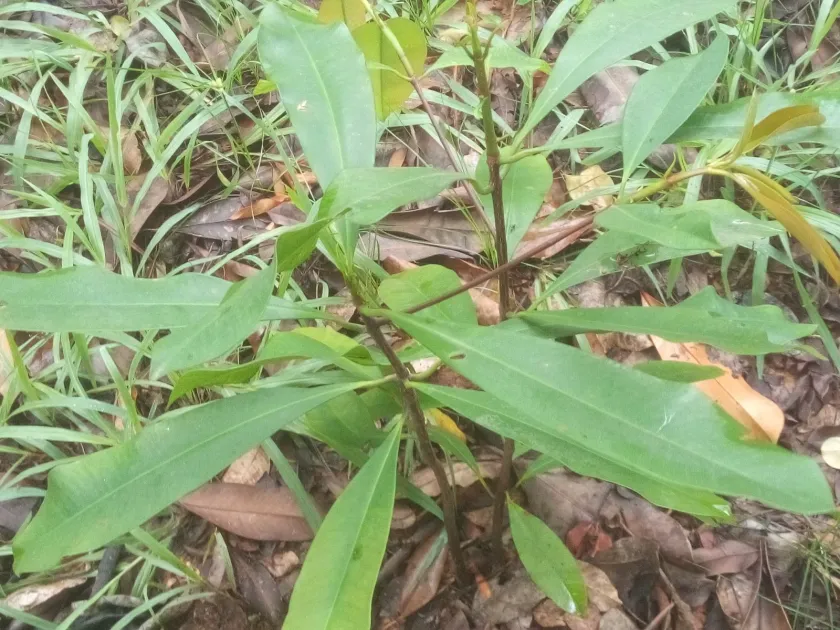
Description
Growing requirements
Pentadesma butyracea, commonly known as the butter tree, is an evergreen tropical species belonging to the Clusiaceae family. Native to the tropical forests of West and Central Africa, this tree can reach heights of up to 25 meters, forming a distinctive pyramidal canopy that contributes to forest structure.
The crop thrives in hot, humid tropical climates characterized by high annual rainfall exceeding 1500 mm. It is highly sensitive to prolonged dry spells, making consistent soil moisture a prerequisite for healthy physiological development and fruit production.
Ideal soil conditions include deep, fertile, and well-drained substrate. The plant exhibits superior growth on alluvial soils found near river valleys, where the groundwater table provides sufficient moisture to the roots without causing waterlogging, which could lead to root rot.
Optimal growth temperatures for Pentadesma butyracea range between +24°C and +30°C. As a strictly tropical species, it cannot withstand low temperatures or frost, thus confining its commercial cultivation to specific regions within the tropical belt.
Agricultural management begins with careful site selection and the clearing of land while preserving some shade trees to protect young seedlings. Maintaining a moderate density of trees in orchards helps maximize light interception while preventing excessive competition for soil nutrients.
Yield
The primary economic output of this culture is its seeds, which are rich in fat content (approximately 40–50%). The chemical composition of the extracted fat is comparable to shea butter or cocoa butter, making it a valuable resource for the food and cosmetic industries.
Harvesting usually involves collecting ripe fruits that have naturally fallen to the ground. An adult, healthy tree produces significant quantities of seeds, providing a sustainable source of income for local farmers engaged in traditional and semi-industrial harvesting practices.
Processing involves sun-drying the seeds, followed by mechanical crushing and pressing to extract the fat. This butter is widely used locally for cooking and lighting, and commercially as a high-quality ingredient in confectionery, soap production, and various skincare formulations.
Future development of the crop focuses on improving yield consistency and refining extraction methods. Given the rising demand for natural plant-based fats, Pentadesma butyracea represents a promising candidate for sustainable agroforestry initiatives in its native range.
The wood of the tree is also economically significant. Known for its density and durability, it is often harvested after the tree reaches the end of its productive life, serving as a material for construction and carpentry in rural communities.
Main diseases and pests
While relatively robust, the tree is susceptible to fungal pathogens, particularly in high-humidity environments. Phytophthora and related fungal species can cause root and collar rot, especially in poorly drained soil conditions, significantly impacting the tree's vitality.
Pest management focuses on insects that damage the foliage, such as caterpillars, and those that penetrate the fruits. Monitoring programs are essential to detect infestations early and mitigate damage to the seed quality, which is the core commercial value of the tree.
Weed management is critical during the establishment phase, as young trees are poor competitors for nutrients. Effective weed control, including mulching and mechanical clearing, ensures that the saplings receive the necessary resources to reach maturity.
Physical injuries to the trunk or branches serve as entry points for bacterial and fungal infections. Therefore, careful handling during harvesting and maintenance activities is essential to preserve the structural integrity and health of the tree throughout its lifespan.
Sanitation practices, such as the removal of fallen, decaying fruit and the pruning of dead branches, help to minimize the buildup of pathogen inoculum in the orchard. A clean plantation environment is the best defense against long-term disease spread.