
Pennellianthus frutescens
Pennellianthus frutescens
Description
Growing requirements
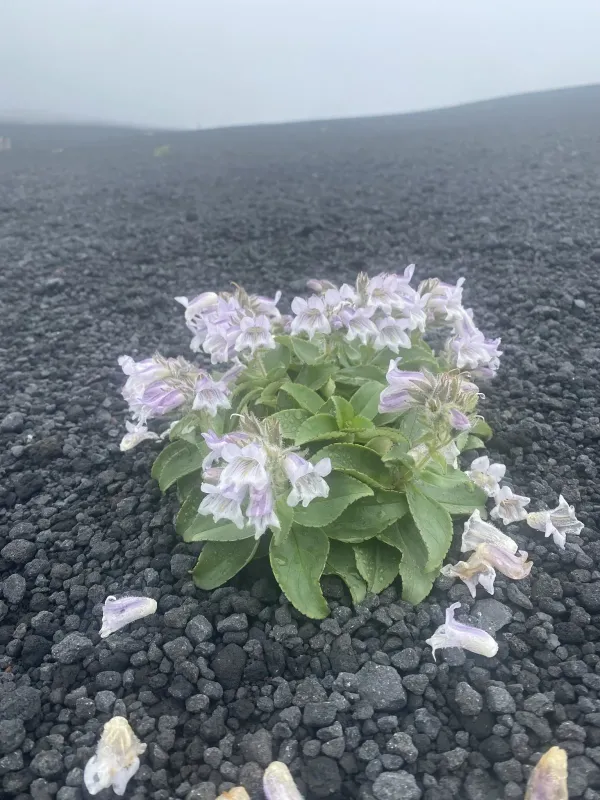
Pennellianthus frutescens is a perennial subshrub belonging to the Plantaginaceae family. Originally from the Far East, this plant is primarily found on rocky slopes and mountainous regions, where it has adapted to harsh environmental conditions and specialized niches.
Botanically, it is characterized by woody stems at the base and foliage that contributes to its ornamental value. Its growth habit is compact, making it a reliable choice for sites that require durable vegetation with a specific aesthetic appeal.
Regarding soil requirements, the plant demands well-drained substrates. It performs best in sandy or gravelly soils where water does not accumulate. Improving drainage is the most critical step for successful cultivation, especially in areas with high rainfall.
The climate requirements involve cool to moderate temperatures. While it is hardy in its native habitat, cultivation in warmer zones requires partial shade during the hottest part of the day to prevent heat stress and foliage scorching.
Its primary agricultural and horticultural use is as an ornamental plant for landscape design. It is particularly well-suited for rock gardens and slope stabilization projects, providing both visual interest and ecological value in difficult terrain.
Main diseases and pests
Root rot is the most significant threat to Pennellianthus frutescens. Excessive soil moisture, often resulting from heavy rain or improper drainage, encourages fungal pathogens that rapidly damage the plant's vascular system.
Pests such as spider mites can infest the foliage during periods of low humidity and high temperature. They damage the leaves by extracting sap, which leads to chlorosis and reduces the overall vigor of the subshrub if left unmanaged.
Aphids might colonize soft growth tips during the spring months. These insects should be monitored closely, and if they appear, environmentally friendly soap solutions are recommended to mitigate their impact without harming beneficial garden insects.
Foliar fungal issues, including mildews, can occur if there is insufficient air circulation. Thinning out overcrowded branches or maintaining adequate spacing during the initial planting phase helps keep the canopy dry and healthy.
Effective management relies on a proactive approach to plant health. This includes selecting appropriate sites, regular inspection for early signs of disease, and maintaining optimal soil conditions to ensure the plant remains resilient throughout the season.