
Peddiea africana
Peddiea africana
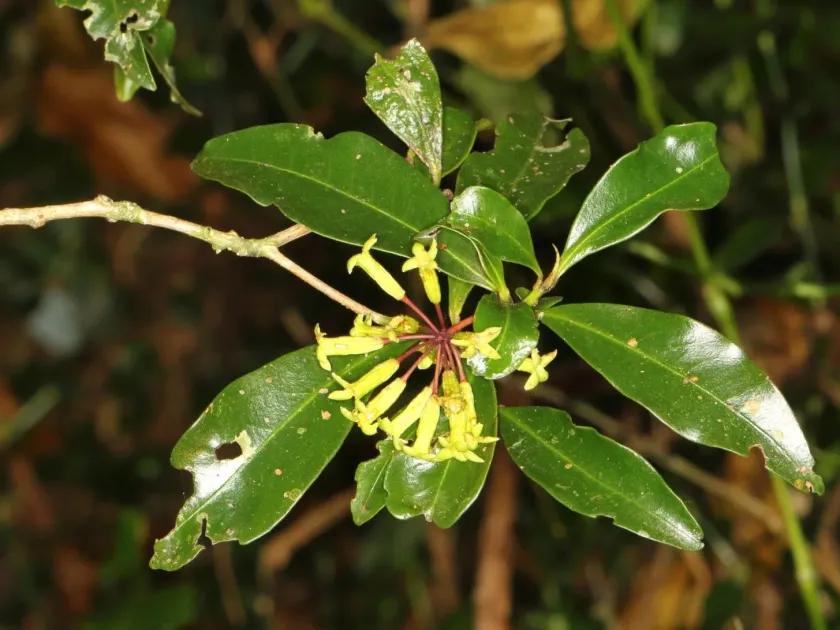
Description
Growing requirements
Peddiea africana is a distinctive evergreen shrub or small tree belonging to the Thymelaeaceae family. It is native to the tropical and subtropical regions of Africa, where it thrives in moist mountainous forest environments.
The plant requires high levels of atmospheric and soil moisture for optimal growth. It is critical to provide a well-drained substrate, as the roots are susceptible to rot if water stagnation occurs in the soil for extended periods.
Regarding soil preferences, Peddiea africana grows best in nutrient-rich, humus-heavy loamy soils. Regular organic amendments are highly recommended to sustain the metabolic activity of the plant throughout the growing season.
Light management is essential, as the species is adapted to shaded forest floors. Exposure to harsh, direct sunlight will quickly degrade the leaves and hinder the growth rate, making shaded cultivation sites mandatory for successful production.
Temperature sensitivity is a significant constraint for this species. It requires a stable tropical climate with no risk of frost, as the physiological processes of the plant are not adapted to withstand cold shocks or freezing conditions.
Harvesting
The primary agricultural value of Peddiea africana lies in its bark, which is a source of high-quality, durable bast fiber. Historically, this material has been essential for local communities for crafting heavy-duty ropes and strings.
The harvesting process involves stripping the stems, followed by traditional maceration methods to separate the fibers. This material is highly valued for its natural resistance to degradation and its exceptional mechanical strength.
In addition to its industrial utility, the plant has a history of use in indigenous medicine. Research into its chemical profile is ongoing to better understand its potential in pharmacological applications, although careful handling is advised.
Horticulturists value the plant for its elegant flowering habit. The clusters of flowers provide significant aesthetic value, suggesting a potential role for the species in tropical ornamental landscaping and park development.
To maximize fiber production, regular pruning is necessary. This practice encourages the development of straight, vigorous shoots that yield the highest quality of fiber, ensuring efficient harvesting and a sustainable yield over several seasons.