
Pechuelloeschea
Pechuelloeschea leubnitziae
Description
Growing requirements
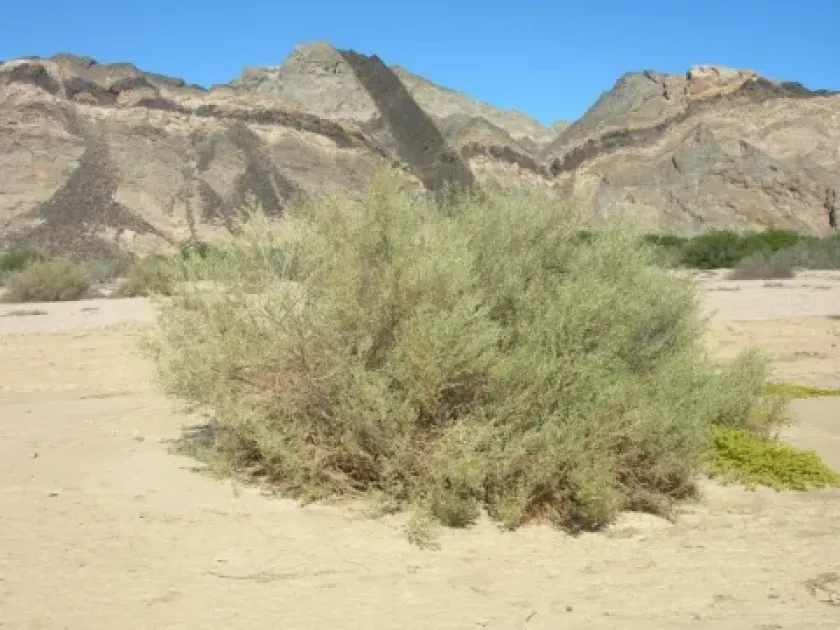
Pechuelloeschea leubnitziae is a perennial herb belonging to the Asteraceae family. It is widely recognized as a resilient plant species native to the arid regions of the Namib Desert in Namibia.
This species is uniquely adapted to harsh environmental conditions, thriving in regions with minimal annual rainfall and high soil salinity. Its biology is centered around water retention and deep root penetration.
Botanically, it exhibits a compact growth habit, which acts as a defense mechanism against high winds and desert evaporation. The plant contributes significantly to the soil stability in desert environments.
In terms of agricultural utility, Pechuelloeschea is considered a valuable forage resource for livestock and wildlife in regions where conventional crops cannot survive. It provides green fodder when other vegetation is dormant.
Successful cultivation requires high light intensity and well-drained substrate. It is essential to avoid overwatering, as the species is highly susceptible to root decay when moisture levels remain elevated.
Main diseases and pests
The primary threats to Pechuelloeschea leubnitziae include specialized fungal infections that thrive during rare periods of excessive humidity. These pathogens can compromise the structural integrity of the plant.
Desert insects may pose a risk by feeding on the leaves and stems. However, due to the presence of specific secondary metabolites, the plant generally maintains resistance against heavy insect infestations.
Overgrazing remains the most significant threat to the survival of Pechuelloeschea in wild stands. Controlled grazing systems are necessary to ensure the long-term sustainability of the pasture.
Preventative measures against diseases involve maintaining proper soil drainage and avoiding high-density plantings in restricted areas. Regular visual inspection for signs of stress is recommended.
Monitoring for signs of wilting is critical, as it often indicates an imbalance in soil moisture levels or the early onset of fungal activity. Effective management relies on adapting to the plant's natural desert rhythms.