
Pearcea hypocyrtiflora
Pearcea hypocyrtiflora
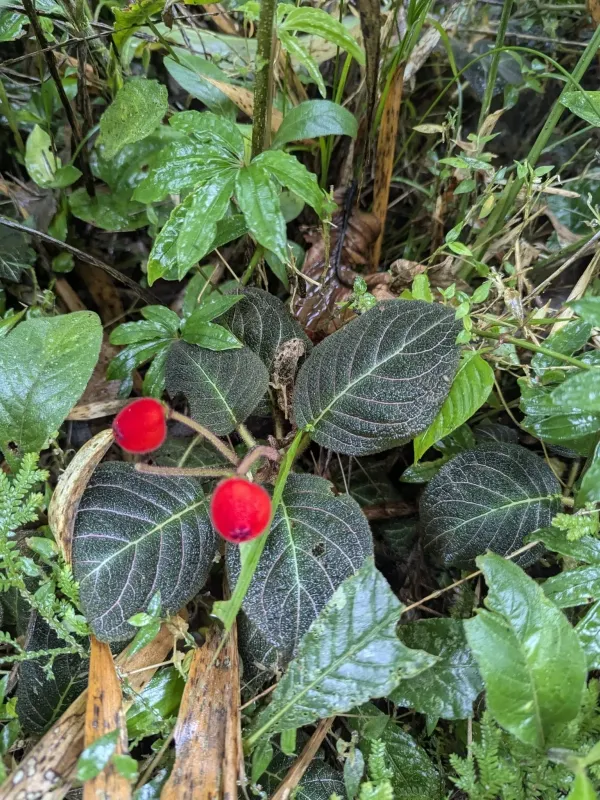
Description
Growing requirements
Pearcea hypocyrtiflora is a fascinating herbaceous perennial species belonging to the Gesneriaceae family. Originating from the cloud forests of Ecuador and Peru, this plant is well-adapted to the humid and shaded conditions of the tropical understory.
The plant exhibits distinct botanical features, including velvety, textured foliage that provides significant ornamental value. Its most notable characteristic is the unique tubular flower structure, which draws attention due to its vibrant coloration and intricate morphology.
In terms of environmental requirements, it demands a stable climate with temperatures ideally maintained between 20°C and 25°C. Excessive heat or direct sunlight is detrimental, as the plant's delicate leaves can scorch and lose their structural integrity.
The soil substrate must be porous, acidic, and rich in organic matter. A well-draining mixture consisting of high-quality peat, perlite, and sphagnum moss is recommended to ensure both moisture retention and adequate aeration for the sensitive root system.
Agrotechnical management includes high-humidity maintenance, which is essential for healthy development. Growers should focus on using distilled or soft water for irrigation to avoid the buildup of mineral salts, which the plant is highly sensitive to.
Main diseases and pests
Fungal pathogens are the primary threat to the health of Pearcea hypocyrtiflora. Problems such as root rot and stem decay are frequently caused by overwatering or poor air circulation within the plant canopy.
Pest infestations, particularly by mealybugs and spider mites, pose a significant risk to the plant's vitality. These pests thrive in dry conditions and can quickly decimate the plant if not addressed through early detection and intervention.
To mitigate the risk of disease, it is essential to maintain proper spacing between individual plants and ensure that water does not settle in the leaf axils. This simple practice prevents the development of localized infection zones.
The use of pesticides should be approached with caution due to the plant's sensitivity to chemical substances. Integrating mechanical pest control, such as manual removal or gentle washing with mild soapy solutions, is often preferred for maintaining plant health.
Ongoing monitoring is key to success, as the plant provides visual cues when under stress, such as leaf yellowing or drooping. By maintaining a clean environment and consistent care, the plant can thrive and produce flowers consistently throughout its growing cycle.