
Western wheatgrass
Pascopyrum smithii (Rydb.) Á. Löve
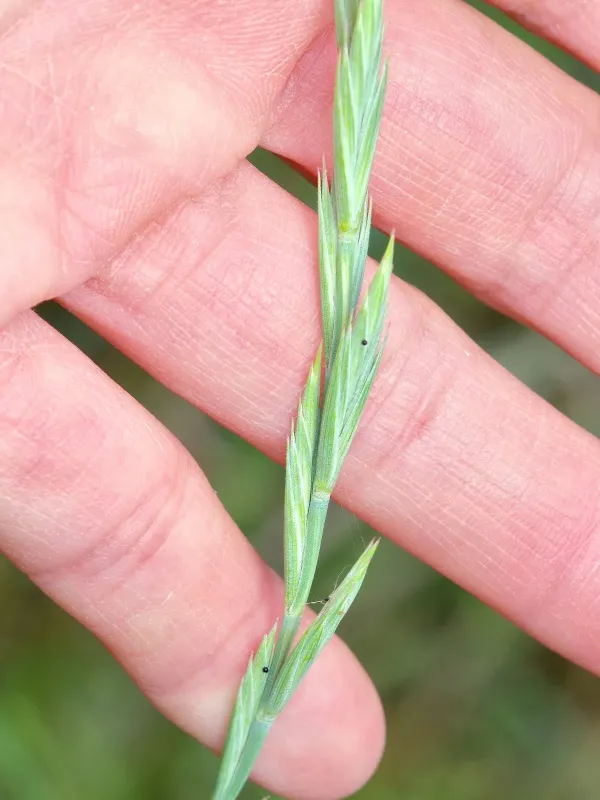
Description
Sowing dates
Western wheatgrass is best established via seeding in early spring, allowing the plants to benefit from cool, moist conditions for initial root development.
Late autumn seeding is also a viable practice, utilizing cold temperatures to naturally stratify the seeds and promote early germination when temperatures rise in spring.
The seeds should be planted at a depth of approximately 1.5 to 2.5 centimeters to ensure they have enough access to soil moisture while still being able to emerge.
A drill seeder is recommended for sowing to achieve even spacing and optimal seed-to-soil contact, which is critical for consistent stand establishment.
Post-seeding compaction using a cultipacker helps to firm the seedbed, reducing moisture loss and creating the perfect environment for small grass seeds to germinate.
Growing requirements
Western wheatgrass, scientifically known as Pascopyrum smithii, belongs to the Poaceae family and is native to the vast grasslands of North America.
This species is highly prized for its exceptional adaptability to diverse soil textures, thriving in heavy clay soils and tolerating moderate soil salinity where other species fail.
As a rhizomatous perennial, it develops an extensive underground network of roots, making it an excellent candidate for stabilizing soil and preventing erosion on slopes.
Climatically, it is remarkably hardy, surviving extreme winter freezes and demonstrating superior drought tolerance during the hottest months of the growing season.
It prefers full sun exposure and performs poorly in shaded areas, as its competitive ability and biomass production are heavily dependent on high solar radiation.
Yield
The biomass yield of Western wheatgrass is moderate but highly reliable, as the plant remains productive during dry years when other forage grasses often go dormant.
Its palatability for livestock is highest during the early vegetative stages, providing high-quality grazing material that maintains its nutritional profile well into the season.
In managed grazing systems, this grass recovers well due to its vigorous rhizomes, provided that grazing pressure is not sustained beyond the plant's recovery capacity.
Under irrigation or in areas with consistent summer rainfall, hay yields can be significantly enhanced, making it a valuable component of permanent forage stands.
Strategic fertilization with nitrogen can boost seed production and vegetative growth, although the species is generally adapted to lower fertility environments.
Main diseases and pests
Western wheatgrass is generally resistant to most common agricultural diseases, although leaf rust or powdery mildew may appear during periods of high humidity.
Managing stand density through appropriate grazing or cutting cycles is the best preventative measure against the buildup of fungal pathogens within the canopy.
Insect pests such as grasshoppers and various aphids can occasionally damage the foliage, though they rarely cause economic loss in well-established, healthy stands.
Weed competition during the seedling stage is the primary threat to new plantings, requiring careful site preparation to eliminate invasive species before sowing.
Maintaining a balanced ecosystem around the field encourages natural predators of pests, thereby reducing the need for chemical intervention in grass management.
Harvesting
Harvesting for hay should occur at the late boot to early heading stage to maximize the concentration of crude protein and overall feed quality for livestock.
For grazing operations, implementing a rotational grazing schedule is essential to allow the plant to replenish its energy stores in the rhizomes after being bitten.
When harvesting seeds, combine harvesters must be carefully calibrated to avoid damaging the seed while effectively separating it from the chaff and stem material.
After the seeds are harvested, they require immediate aeration and drying to ensure long-term viability and prevent the development of mold during warehouse storage.
Proper management of the stubble height, keeping it at least 5–7 centimeters high, is vital to protect the basal buds and ensure vigorous regrowth for the following season.