
Parvocaulis parvula
Parvocaulis parvula
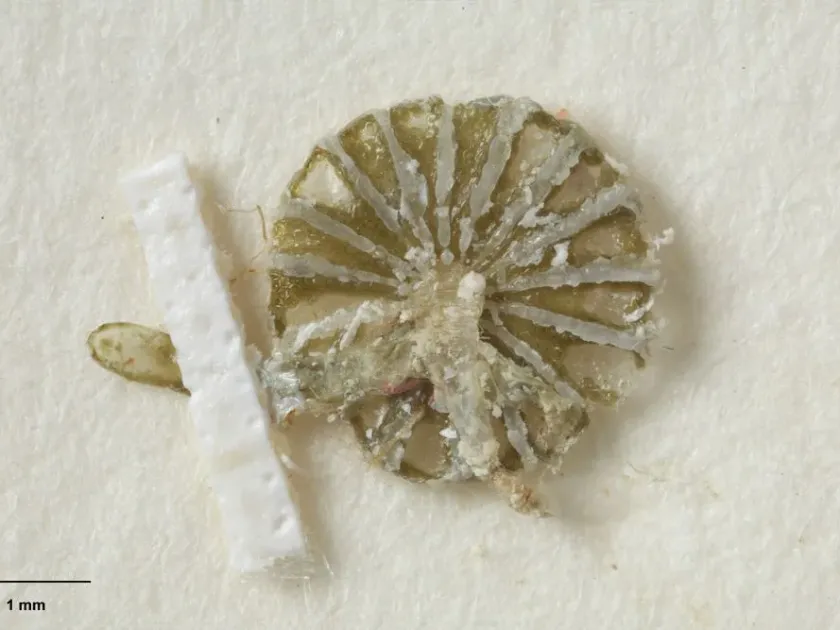
Description
Growing requirements
Parvocaulis parvula is a genus of single-celled green marine algae belonging to the family Polyphysaceae. These organisms are highly distinct due to their umbrella-shaped structure, which differentiates them from many other types of marine vegetation.
Historically found in tropical and subtropical coastal waters, these algae thrive in shallow environments. Their distribution is primarily limited by the availability of light, as they require significant solar radiation to fuel the photosynthetic processes needed for their growth cycle.
The optimal water temperature for cultivating Parvocaulis parvula ranges from 20°C to 28°C. Maintaining stable salinity levels is crucial, as the organism is sensitive to osmotic stress caused by fluctuating salt concentrations in the marine environment.
In terms of substrate requirements, these algae attach to rocky or calcium-rich surfaces. Because they absorb nutrients directly from the water column, water quality, specifically the concentration of dissolved nitrogen and phosphorus, is paramount for healthy development.
Modern agrotechnical approaches involve the creation of artificial reef structures that provide a stable, non-toxic anchor point. Ensuring adequate water flow is essential to maintain nutrient diffusion and prevent the accumulation of waste metabolites around the thallus.
Main diseases and pests
Environmental degradation, particularly sedimentation and increased turbidity, poses the most significant threat to Parvocaulis parvula. When suspended particles block sunlight, the algae experience reduced vitality and slowed growth rates.
Grazing pressure from small gastropods and various marine herbivores can cause localized damage to the stalks and caps of the algae. In dense populations, these pests can lead to significant biomass loss if not managed effectively.
Fungal pathogens and certain bacterial strains can colonize weakened specimens, particularly in high-temperature conditions. These infections can quickly spread through an entire colony, necessitating strict quarantine and hygiene protocols in aquaculture settings.
Ocean acidification presents a long-term challenge, as it hinders the organism's ability to maintain its structural integrity on calcium-based substrates. Increased acidity weakens the stalk, making the algae more prone to physical detachment during high currents.
Preventative measures include regular water testing and the maintenance of a diverse ecosystem within the aquaculture site to keep herbivore populations in check. Monitoring the chemical stability of the habitat remains the primary method for crop protection.