
Blue oxalis
Parochetus communis
Description
Sowing dates
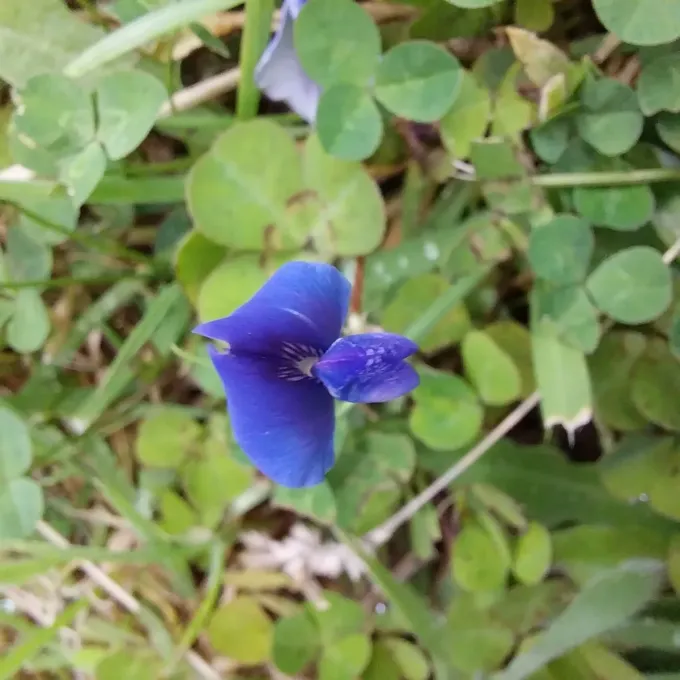
Blue oxalis (Parochetus communis), a member of the Fabaceae family, is a trailing perennial known for its distinctive blue, pea-like flowers. It is primarily cultivated for its aesthetic appeal as a groundcover.
Seeds should be sown in early spring into a well-draining, moist seed-starting mix. The soil temperature must be maintained consistently between 15 and 20 degrees Celsius to encourage uniform germination.
Prior to sowing, scarifying the hard seed coat can significantly improve germination rates. Seeds should be placed just beneath the soil surface to ensure they receive enough light to trigger the sprouting process.
Transplanting seedlings to the field or garden bed is best done once the danger of frost has passed. Spacing is critical; plants should be set 30 to 45 centimeters apart to allow for lateral growth.
Vegetative propagation using stem cuttings with nodes is a highly effective alternative to seeding. These cuttings root easily in damp, organic-rich soil, facilitating faster coverage of the designated cultivation area.
Growing requirements
Parochetus communis thrives in moist, temperate climates where it can receive partial shade. High heat and direct sunlight should be avoided as they may cause the delicate leaves to scorch.
The soil must remain consistently moist but well-drained. A mixture high in organic matter or compost is ideal, as it provides the necessary nutrients and water retention required for this legume species.
In regions experiencing winter frost, the plant requires heavy mulching or protection, as it is not tolerant of prolonged freezing temperatures. It is often grown in containers that can be moved indoors during extreme weather.
Adequate air circulation is necessary to support healthy growth. Avoid overcrowded conditions, as they can trap moisture and increase the likelihood of fungal development in the dense foliage.
Supplemental feeding with a low-nitrogen fertilizer during the active growing season will promote better flowering. Avoid high-nitrogen inputs, which encourage foliage growth over the plant's characteristic floral display.
Main diseases and pests
Root rot is the most common threat to Blue oxalis, typically caused by overwatering or poor drainage systems. Identifying waterlogged soil early is crucial to prevent the collapse of the plant population.
Slugs and snails represent the primary pest challenge, particularly in humid and rainy conditions. These mollusks can rapidly defoliate the plant, requiring vigilant monitoring and management with physical or biological deterrents.
Aphids may infest the succulent stems and developing flower buds during the peak growing season. When detected, they should be managed using mild insecticidal soaps or biological controls to protect the plant.
Fungal issues, such as leaf spot or mildew, can occur if the plant is grown in stagnant air conditions. Regular inspection of the undersides of the leaves helps in early detection of potential disease outbreaks.
Proper sanitation practices, including the removal of dead plant material and ensuring correct spacing, are the best defenses against common pathogens that affect this groundcover culture.