
Parasyringa sempervirens
Parasyringa sempervirens
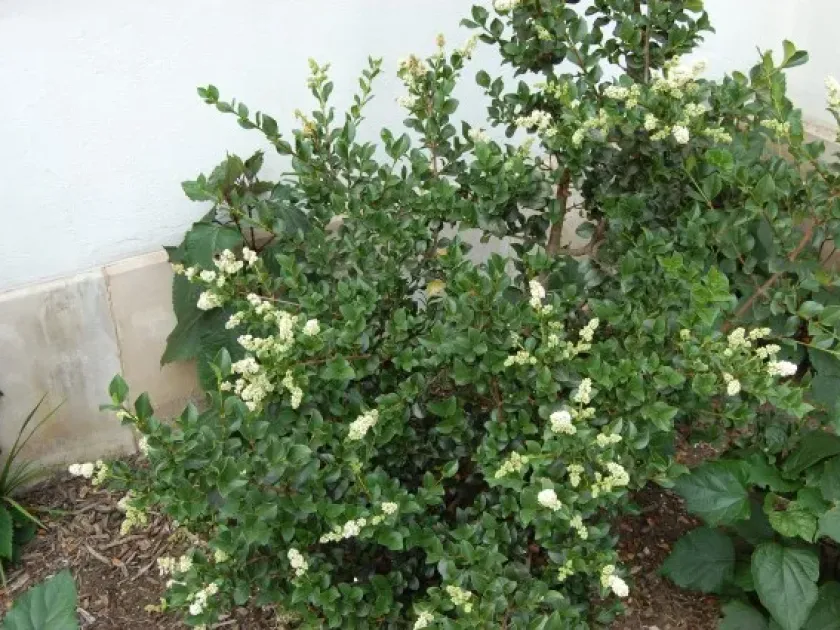
Description
Growing requirements
Parasyringa sempervirens is a member of the Oleaceae family, known for its enduring foliage and unique aesthetic appeal. Native to regions in East Asia, this plant flourishes in moderate subtropical conditions where winters are mild.
The crop thrives in well-drained, nutrient-rich soils with a slightly acidic to neutral pH. Incorporating organic matter, such as leaf mold or compost, is highly beneficial for the plant's structural development and long-term vitality.
Regarding light requirements, the species performs best in bright, dappled sunlight. While it can tolerate some sun, excessive heat exposure can scorch the glossy leaves, necessitating a location that provides protection during the intense afternoon hours.
Watering management is critical for the success of Parasyringa sempervirens. The soil should remain consistently moist but never waterlogged, as poor drainage frequently leads to the development of anaerobic conditions around the root system.
Temperature control is essential for maintaining optimal health. Ideally, the plant should be kept in environments between 18 and 25 degrees Celsius, with adequate humidity levels to prevent the edges of the leaves from drying out during the hotter seasons.
Main diseases and pests
Scale insects are among the most common pests that affect the stems and leaf undersides of this species. These pests often go unnoticed until they cause noticeable damage, so frequent visual inspections are highly recommended for early detection.
Powdery mildew represents a significant fungal threat, especially in environments with limited air circulation or high relative humidity. The presence of a white powdery layer on the foliage is a primary symptom that requires immediate fungicidal intervention.
Spider mites frequently attack the plants when the surrounding air is too dry, particularly in indoor cultivation or greenhouses. These microscopic pests suck the sap from the leaves, causing chlorosis and a decrease in photosynthetic efficiency.
Root rot is a devastating issue caused by persistent overwatering or heavy, poorly draining substrates. Symptoms include wilting and yellowing leaves, which often appear even when the soil is visibly moist, indicating internal plant distress.
Integrated pest management strategies involve a combination of biological controls and regular sanitation practices. Keeping the foliage clean and ensuring that the plant has sufficient space from other specimens helps in reducing the spread of diseases.