
Parastemon urophyllus
Parastemon urophyllus
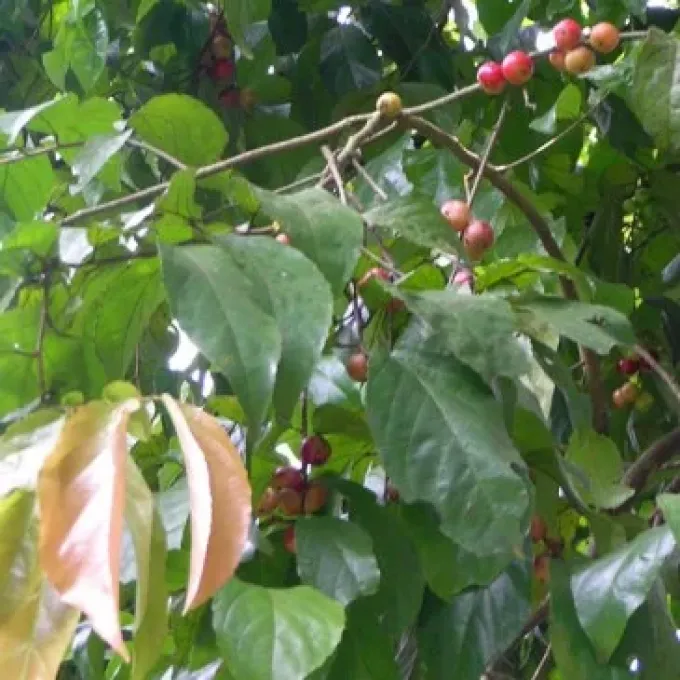
Description
Growing requirements
Parastemon urophyllus is a perennial evergreen tree belonging to the Chrysobalanaceae family. This species is native to the tropical rainforests of Southeast Asia, where it thrives in warm and humid environments across countries like Malaysia, Indonesia, and the Philippines.
The plant is naturally adapted to lowland habitats and often exhibits high tolerance for waterlogged soils and peat swamps. This resilience to aquatic conditions distinguishes it from many other tropical timber species that require well-drained upland soil.
Botanically, the tree is characterized by its exceptionally dense and durable wood, as well as its smooth, leathery leaves. The leaf architecture is specifically evolved to facilitate water drainage, which is crucial for survival in high-precipitation tropical climates.
Optimal growth conditions involve consistent tropical temperatures, typically ranging from 24 to 30 degrees Celsius, with no frost tolerance. The tree requires high ambient humidity throughout the year to maintain its physiological functions and leaf health.
Regarding soil, Parastemon urophyllus prefers acidic substrates that retain moisture well. While the plant is quite hardy in its native habitat, it shows clear preferences for specific nutrient profiles found in alluvial or swampy forest soils of the equatorial zone.
Harvesting
The primary economic value of Parastemon urophyllus lies in its timber, which is highly regarded for its physical strength and natural resistance to rot. These properties make it a preferred material for heavy construction, bridge building, and marine engineering applications.
In addition to structural uses, the timber is utilized in local woodworking crafts. Due to the slow growth rate of the species, timber harvesting is managed through selective logging practices to ensure the long-term sustainability of the forest populations and ecosystem stability.