
Pararchidendron pruinosum
Pararchidendron pruinosum
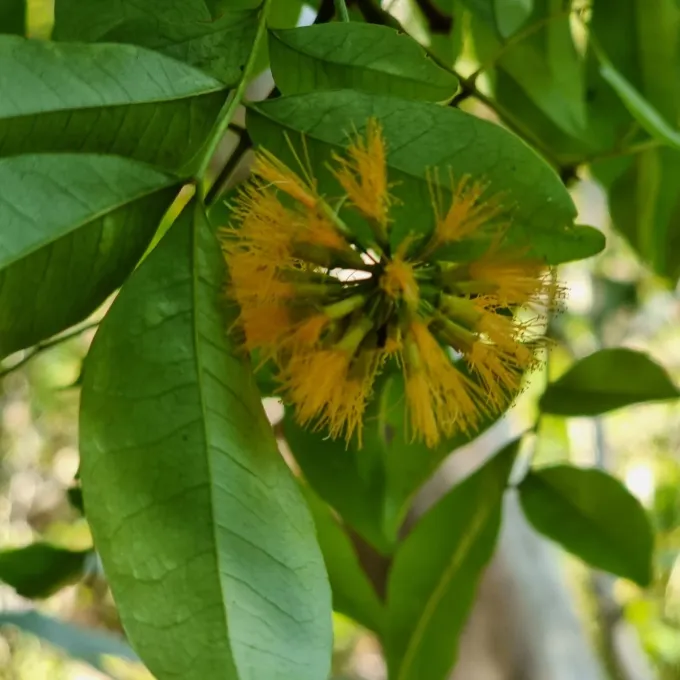
Description
Growing requirements
Pararchidendron pruinosum is a fast-growing evergreen tree that belongs to the Fabaceae (legume) family. This species is native to the rainforest regions of Australia, where it is known for its ability to thrive in humid tropical and subtropical environments.
The tree originates from areas with significant rainfall, which dictates its natural habitat preferences. It is typically found in the margins of rainforests, where it benefits from high atmospheric humidity and nutrient-rich, moist soils that facilitate rapid development during the growing season.
For successful cultivation, the species requires deep, fertile, and well-drained soil. Good drainage is essential, as the roots are sensitive to anaerobic conditions caused by waterlogging, especially during the initial stages of tree establishment in a new environment.
The climate requirements include a warm, frost-free environment. While the tree can be adaptable, it performs best in regions where temperatures remain consistently mild throughout the year, preventing physiological stress caused by cold or extreme fluctuations in heat.
Regarding its хозяйственное use, the tree is primarily employed in land restoration, ornamental forestry, and as a windbreak. Its flowers provide a significant nectar source, and the wood is valued for various small-scale construction and woodworking applications due to its workability.
Main diseases and pests
The primary threats to this species include fungal root pathogens, which are often exacerbated by poor soil drainage and excessive irrigation during the colder or more humid months of the year.
Various insect pests, such as defoliating caterpillars and wood-boring beetles, pose a risk to the tree's health by damaging leaves or tunneling into the stems, potentially weakening the overall structure of the plant.
Root rot is a major concern when the tree is grown in heavy or compacted soils, leading to a decline in vigor and making the plant more susceptible to secondary infections from environmental stressors.
Monitoring for signs of leaf yellowing or stunted growth is vital for early detection of issues, allowing for rapid intervention before pests or diseases become established within the grove.
Effective management strategies involve maintaining adequate soil aeration, practicing proper sanitation by removing deadwood, and applying targeted biological controls if a significant pest population is observed.