
Parabaena sagittata
Parabaena sagittata
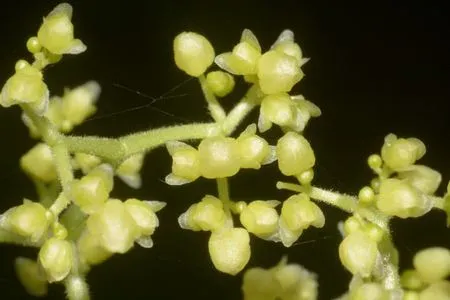
Description
Growing requirements
Parabaena sagittata is a perennial woody climber belonging to the Menispermaceae family. It is a distinctive tropical plant native to the forested regions of South and Southeast Asia, where it thrives in humid environments.
The plant is characterized by its sagittate leaves and its habit of scrambling over surrounding vegetation using twining stems. It acts as an essential component of the forest understory, adapting to filtered light conditions.
Cultivation of this species requires a stable tropical climate with consistently high humidity levels. It lacks tolerance for frost or cool temperatures, necessitating the use of greenhouses or controlled environments in non-tropical regions.
The soil requirements involve well-draining, nutrient-rich media that can maintain moisture without becoming waterlogged. Regular mulching is recommended to simulate the natural forest floor habitat that the species prefers.
In terms of utilization, Parabaena sagittata is noted in ethnobotanical studies for its pharmacological potential. Various alkaloids extracted from its roots and stems are studied for their biological activity, making it a plant of interest for phytochemical research.
Main diseases and pests
The species is susceptible to various fungal pathogens, especially leaf spots and root rots, which are commonly triggered by excessive moisture and poor air circulation in indoor settings.
Pest pressures are primarily caused by mites, aphids, and scale insects. These pests often congregate on the underside of the leaves, potentially weakening the plant if left untreated for an extended period.
Management strategies focus on maintaining optimal spacing between plants to enhance airflow and reducing humidity levels during the cooler parts of the day to deter pathogen growth.
Integrated pest management, including the introduction of natural predators or the use of neem oil-based sprays, is preferred over synthetic chemical intervention to protect the purity of the plant material.
Monitoring for signs of chlorosis or leaf curling is crucial during the early stages of growth, as these symptoms often indicate underlying nutrient deficiencies or pest infestations that require immediate attention.