
Pancovia laurentii
Pancovia laurentii
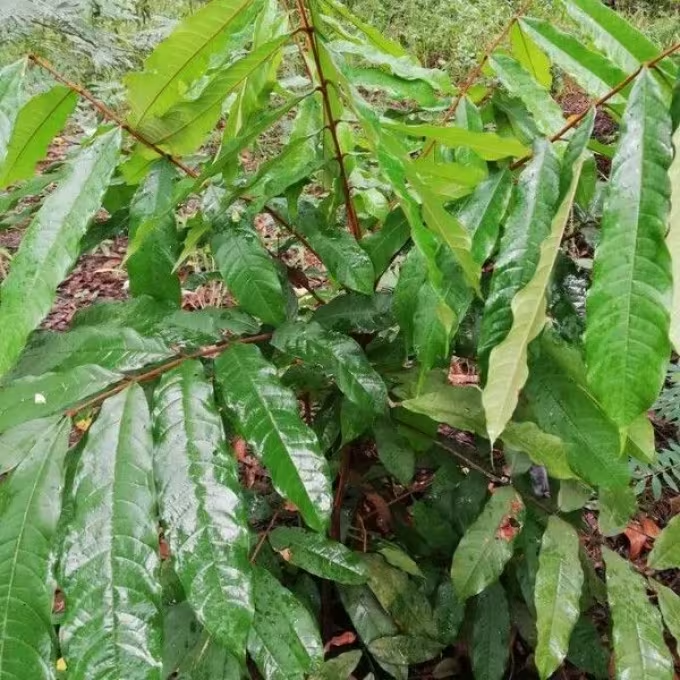
Description
Growing requirements
Pancovia laurentii is a notable species within the Sapindaceae family, natively occurring in the tropical rainforest regions of Central and West Africa. As a tropical woody plant, it is specifically adapted to environments with high rainfall and consistent tropical temperatures.
The plant thrives in climatic conditions where the temperature remains steady throughout the year, avoiding cold stress. High ambient humidity is a critical requirement for the physiological health of the tree, reflecting its origin in humid equatorial ecosystems.
Regarding edaphic requirements, the species prefers deep, nutrient-rich soils that are well-structured. Good drainage is essential to prevent waterlogging, as the root system, while vigorous, requires adequate aeration to function optimally in its natural environment.
In terms of light exposure, Pancovia laurentii often occupies the understory or mid-story layers of the forest. Consequently, cultivated specimens show better development when provided with filtered light or partial shade, rather than direct, intense sunlight during their early growth stages.
From an agricultural and forestry perspective, the plant is valued for its hard and durable timber. While it is not a large-scale commercial crop, it plays a role in local sustainable forestry practices and contributes significantly to the structural integrity of native forest vegetation.