
Palmophyllum crassum
Palmophyllum crassum
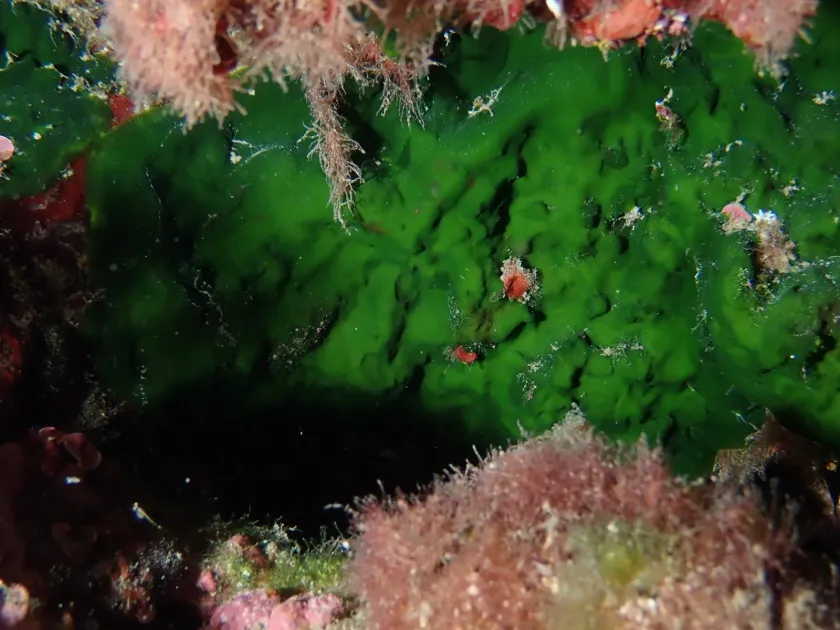
Description
Growing requirements
Palmophyllum crassum is a colonial green alga belonging to the Palmophyllaceae family. It is distinct for its thick, gelatinous thallus that adheres to substrates, typically in deep marine environments where sunlight penetration is moderate.
The botanical structure of this species is characterized by cells embedded within a complex mucilaginous matrix. This structure serves as a defensive mechanism, protecting the organism from mechanical stress and facilitating nutrient storage in fluctuating aquatic environments.
To cultivate this species, stable marine conditions are essential. It requires a consistent salinity level, optimal light intensity, and a steady supply of micronutrients found in clear, unpolluted seawater. Modern aquaculture techniques focus on simulating these natural deep-water conditions.
Growth rates for Palmophyllum crassum are notably slow compared to opportunistic algal species. This biological trait necessitates long-term management strategies when considering the plant for industrial production or bioremediation projects.
Regarding its хозяйственное use, the species is investigated for its high-quality polysaccharides. These compounds have potential applications in specialized cosmetic formulations and as natural gelling agents in high-end pharmaceutical products.
Main diseases and pests
Eutrophication of marine environments represents the most significant threat to Palmophyllum crassum. Excessive nutrients trigger the growth of fast-growing algae that shade the colonies and compete for vital resources, leading to population decline.
Physical habitat destruction, primarily caused by trawling and anchor damage, remains a major concern for wild populations. Because the organism requires stable, long-term attachment to solid substrates, any disturbance to the seabed is detrimental.
Water turbidity and siltation pose severe risks to the species. Increased sediment load blocks light penetration and interferes with the physiological processes of the algae, ultimately preventing the growth and successful settlement of new colonies.
Chemical contamination, including heavy metal accumulation in the marine environment, is harmful to the cell development of this alga. Exposure to toxic pollutants can lead to the necrosis of the gelatinous matrix, eventually detaching the colony from its substrate.
Climate change, manifesting in shifting water temperatures and altered current patterns, may disrupt the delicate balance required for Palmophyllum crassum to thrive. Constant monitoring is necessary to preserve the existing ecosystems where this species resides.