
Paesia scaberula
Paesia scaberula
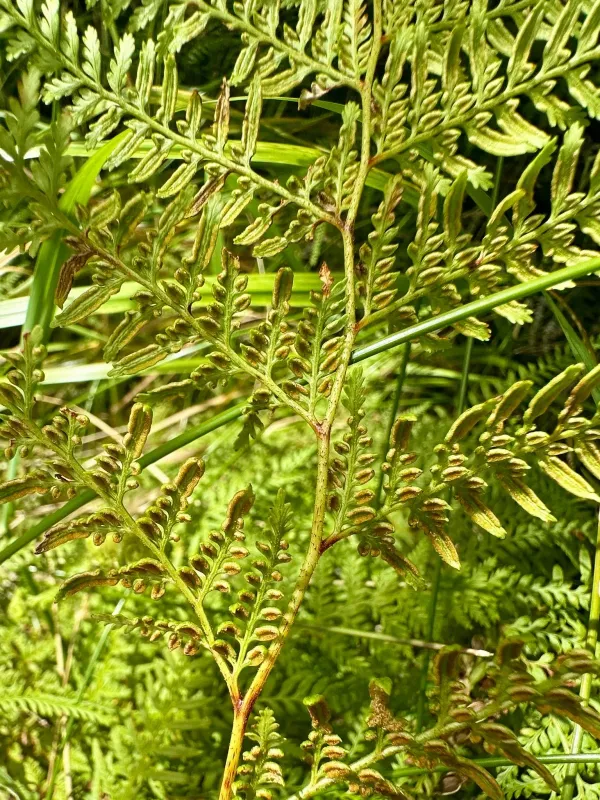
Description
Growing requirements
Paesia scaberula, commonly known as the rough-leaf fern, is a perennial herb belonging to the family Dennstaedtiaceae. This fern is native to New Zealand, where it is frequently observed in open forest areas, roadsides, and disturbed landscapes.
The plant is characterized by a creeping rhizome that allows it to spread rapidly across the landscape. The fronds reach lengths between 30 and 80 centimeters and possess a distinctively rough, harsh texture, which is a defining feature of this particular botanical species.
From an agricultural standpoint, Paesia scaberula is often categorized as a persistent weed in pastures and forestry blocks. It thrives in well-drained, acidic soils but demonstrates significant ecological plasticity, allowing it to adapt to diverse light intensities.
Climatic requirements for this species include consistent moisture levels and a temperate environment. While it performs best under these conditions, the underground rhizome system allows the plant to survive extended periods of stress, making eradication from farmland quite difficult.
In terms of utilization, it is rarely cultivated as a commercial crop. However, in specific landscaping projects within its native range, it is sometimes employed for soil stabilization on steep slopes or as a groundcover in ecological restoration efforts to prevent erosion.
Main diseases and pests
The primary threat posed by Paesia scaberula is its impact on agricultural productivity. Due to its aggressive growth, it frequently invades grazing land, where it displaces productive pasture grasses and reduces the availability of high-quality feed for livestock.
The plant faces few significant natural pests or diseases, likely due to the unpalatable, harsh nature of its foliage. This lack of natural herbivory means that the fern can easily outcompete other vegetation, often requiring mechanical removal or targeted herbicide application for management.