
Pachygone ovata
Pachygone ovata
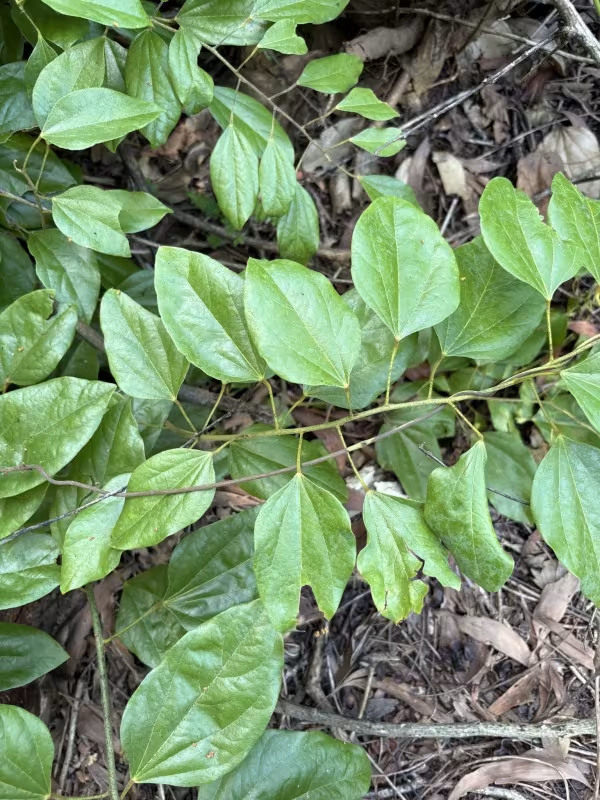
Description
Growing requirements
Pachygone ovata is a perennial woody climbing plant that belongs to the Menispermaceae family. Native to tropical regions, this species is recognized as a robust vine that thrives in diverse forest habitats, using trees and shrubs for vertical growth.
The botanical structure of the plant features distinct ovate leaves with a leathery texture, arranged alternately along the stems. Its reproductive parts include small flowers clustered in inflorescences, followed by succulent drupes that contain seeds essential for natural propagation.
The natural range of Pachygone ovata is primarily located in South and Southeast Asia. It prefers warm, humid environments where temperatures remain consistent throughout the year, supporting the constant metabolic activity of the vine.
Regarding soil requirements, the plant flourishes in well-drained, nutrient-rich substrates. Proper soil aeration is crucial to prevent root rot, as the plant is highly susceptible to waterlogging in compacted or heavy clay conditions.
Historically and commercially, the plant has been utilized in traditional herbal medicine. Extracts derived from its roots and foliage are valued for their specific chemical constituents, which are being studied for potential therapeutic benefits in modern pharmacology.
Main diseases and pests
Fungal pathogens represent a primary threat to the plant, particularly in highly humid conditions where poor air circulation encourages the rapid spread of diseases affecting the stems and root systems.
Various arthropod pests, including scale insects and aphids, often target the tender shoots and leaves of Pachygone ovata, leading to significant foliage loss if left unmanaged.
Habitat loss due to deforestation and land development poses a severe risk to the long-term survival of local populations, threatening the genetic diversity of the species.
Competition from fast-growing invasive species often suppresses the development of the vine, as they deprive it of essential sunlight and space required for healthy growth.
Climatic volatility, including unpredictable seasonal droughts or extreme temperature fluctuations, can negatively impact the plant's growth cycle and overall vigor in the wild.