
Ovidia andina
Ovidia andina
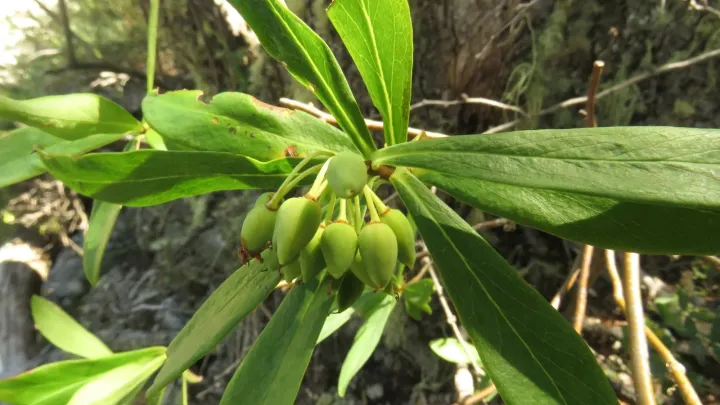
Description
Growing requirements
Ovidia andina is a notable evergreen shrub belonging to the Thymelaeaceae family. Native to the high-altitude regions of the Andes, this plant is primarily distributed across the mountainous landscapes of Chile and Argentina.
The plant thrives in cool, temperate, and humid climates characteristic of its native habitat. It requires significant exposure to sunlight but must be protected from extreme heat and prolonged droughts which can negatively impact its growth cycle.
Regarding soil requirements, Ovidia andina demands well-draining, slightly acidic substrates. It is highly sensitive to waterlogged soils, which can lead to rapid root degradation; therefore, adequate drainage must be prioritized in cultivation.
Botanically, the species is defined by its thick, leathery leaves and unique inflorescences. Typically growing between one to one and a half meters in height, the shrub maintains a compact and ornamental appearance, making it suitable for specific garden settings.
Its primary use is ornamental and botanical, serving as a point of interest for researchers and collectors of rare Andean flora. Despite its limited agricultural application, it remains a vital component of its local ecosystem, contributing to high-altitude biodiversity.
Main diseases and pests
As a member of the Thymelaeaceae family, Ovidia andina is susceptible to various fungal pathogens if moisture levels are not strictly managed. Root rot remains the most significant threat to the plant's health in non-native environments.
In managed landscapes, pests such as scale insects and spider mites can cause damage by feeding on the plant's foliage and stems. Careful monitoring is essential to detect these infestations at an early stage.
Preventative care focuses on ensuring optimal aeration within the shrub's canopy and preventing soil saturation. Regular pruning of dead or diseased foliage helps reduce the risk of spreading fungal spores throughout the plant.
Chemical intervention should be approached with caution due to the potential presence of complex alkaloids and toxins within the plant tissues. Integrated pest management strategies, focusing on physical removal, are generally preferred.
Regular maintenance, including seasonal cleaning of the area around the base of the plant and professional health assessments, is crucial for maintaining the long-term vigor of Ovidia andina specimens.