
Otospermum glabrum
Otospermum glabrum
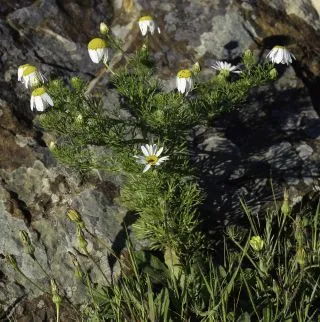
Description
Sowing dates
Otospermum glabrum is an annual herbaceous plant belonging to the Asteraceae family. In agricultural practice, sowing is typically performed in the spring once the soil has reached an adequate temperature to support rapid germination.
Ensuring the correct sowing depth is critical, as the small seeds of this species require light coverage to establish a strong root system without excessive competition for nutrients. Precision sowing methods are often employed to maintain optimal stand density.
Before sowing, it is essential to prepare the seedbed thoroughly by removing competing weeds and creating a firm, level surface. Proper rolling of the soil after sowing improves seed-to-soil contact, which significantly boosts emergence rates.
Crop rotation plays a vital role in the cultivation of Otospermum glabrum. Sowing the plant in fields previously occupied by winter cereals can help balance soil nutrients and reduce the pressure from field-specific pathogens and pests.
Monitoring the moisture level in the topsoil during the first few weeks after sowing is crucial. If rainfall is insufficient, supplemental irrigation may be necessary to ensure the uniformity of the crop throughout the entire field.
Growing requirements
This species performs best in well-drained, light-textured soils such as loams or sandy loams. Waterlogged conditions are detrimental to the plant, so choosing sites with natural drainage or installing tile drains is recommended for success.
Otospermum glabrum has a high demand for solar energy and thrives in open, sun-exposed fields. Sufficient light intensity is essential for the development of vegetative biomass and the formation of healthy, viable seeds.
While the plant is relatively drought-tolerant, its yield increases significantly when adequate moisture is available during the active vegetative growth phase. Implementing conservation tillage practices can help maintain soil moisture during the summer months.
Mineral nutrition should be managed based on regular soil testing. While nitrogen promotes leafy growth, phosphorus and potassium are essential for root development and overall plant resistance to environmental stress.
Maintaining a neutral soil pH is ideal for the uptake of macro and micronutrients. If the soil is too acidic, liming should be performed well in advance of the planting season to optimize the growing environment.
Yield
The yield of Otospermum glabrum is directly proportional to the level of agronomic management applied during the growing season. Maximizing output requires a balanced approach to irrigation, fertilization, and weed control throughout the plant's life cycle.
In the vegetative phase, the crop produces a significant amount of green biomass. Farmers can enhance yields by providing balanced inputs that favor the development of multiple stems rather than focusing solely on height.
Seed yield is heavily dependent on the effectiveness of pollination. Maintaining a healthy environment for beneficial insects can lead to better fertilization rates in the flower heads, resulting in larger, more uniform seed harvests.
Timely harvest is the most important factor in securing the final yield. Monitoring the maturation stages of the flower heads helps prevent premature harvesting or losses due to natural seed shattering at the end of the season.
Data suggests that high-quality seed selection and appropriate crop density contribute to consistent, predictable harvests year over year, making the species an economically viable choice for specific farming models.
Main diseases and pests
Fungal diseases, particularly those affecting the foliage, are the primary biological threat to this species. Conditions with high humidity and stagnant air encourage the spread of mildew and other pathogens that can compromise plant health.
Insects like aphids can cause stress by feeding on the sap of young shoots, which potentially stunts growth and transmits viral diseases. Integrated Pest Management (IPM) is the most sustainable approach to controlling these populations.
Weed competition is a significant challenge, especially in the early stages of development. Weeds compete for light, water, and soil nutrients, often outpacing the crop if not managed through mechanical cultivation or targeted interventions.
- Fungal infections (leaf spots, root rot).
- Sap-sucking pests (aphids, mites).
- Invasive weeds competing for resources.
Proactive monitoring of fields allows for early detection of potential threats. By maintaining a healthy, diverse crop ecosystem, farmers can minimize the impact of pests and diseases without relying exclusively on synthetic chemical controls.
Harvesting
Harvesting strategies vary based on the intended use of the crop. For green forage, cutting should occur just before full flowering to ensure the highest concentration of digestible proteins and essential vitamins in the plant material.
For seed production, harvesting is delayed until the flower heads have fully dried and turned a mature color. Mechanical harvesters must be adjusted correctly to handle the delicate structures and prevent the loss of seeds during collection.
After the material is harvested, drying is an essential post-harvest step. Drying in a shaded, well-ventilated area prevents mold growth and preserves the viability of the seeds for long-term storage or future planting requirements.
Processing involves cleaning the raw harvest to remove chaff and field debris. Utilizing screen cleaners and gravity tables allows for the preparation of high-quality seeds that meet industry standards for purity and germination percentage.
The overall efficiency of the harvesting process dictates the final profitability. Proper timing and careful handling of the product ensure that the harvest remains in peak condition from the field to the final storage or processing facility.