
Ostodes paniculata
Ostodes paniculata
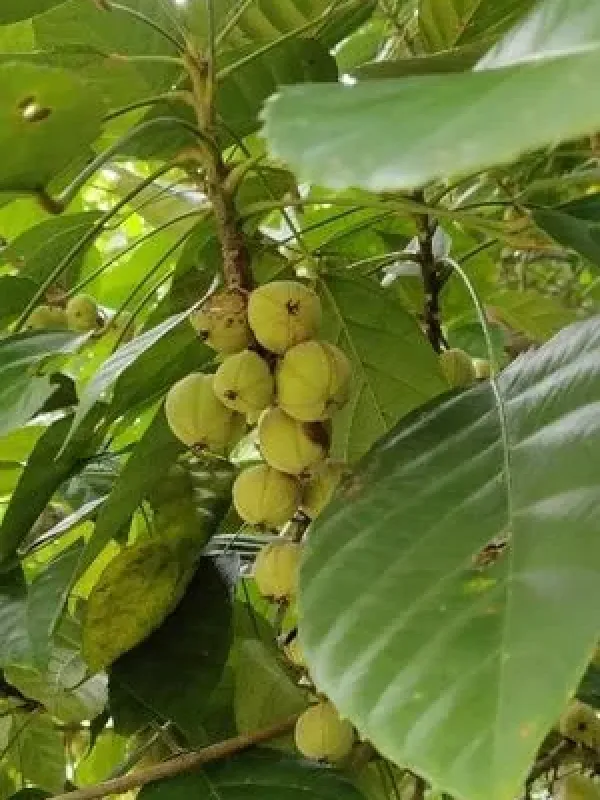
Description
Growing requirements
Ostodes paniculata is a perennial evergreen tree species belonging to the Euphorbiaceae family. It is recognized for its robust growth habit and is primarily found in the dense, moist forests of Southeast Asia, including regions in India, Myanmar, and China.
The plant thrives in tropical climates where the temperature remains stable throughout the year. It requires high atmospheric humidity and is typically found growing at moderate elevations, where it can access consistent moisture without the risk of waterlogging.
Regarding soil requirements, Ostodes paniculata prefers deep, nutrient-rich, and well-drained loamy soils. It does not tolerate compacted ground, so ensuring proper soil aeration is vital for the development of its root system, which is relatively sensitive to excessive anaerobic conditions.
Cultivation practices involve providing moderate shade during the seedling stage to protect the young plants from direct, intense sunlight. As the tree matures, it becomes more tolerant of light exposure, but wind protection remains necessary to preserve its foliage integrity.
Agrotechnical management includes periodic pruning to manage the canopy structure and promote air circulation. Given its origin, integrated pest management (IPM) is crucial to prevent the spread of fungal diseases, which are common in high-humidity agricultural environments.
Harvesting
The main economic value of Ostodes paniculata lies in its seeds, which are rich in high-quality technical oils. These oils have distinct properties that make them suitable for industrial applications, specifically in the production of bio-based lubricants and paints.
Harvesting takes place when the fruit capsules transition from green to a dark, mature color, indicating maximum oil accumulation. It is essential to conduct harvesting manually to avoid damaging the branches, as the wood of these trees can be brittle under mechanical stress.
Post-harvest handling is critical for maintaining oil quality. The seeds must be dried in ventilated environments away from direct sunlight to prevent the degradation of fatty acids. Proper storage conditions ensure that the raw material remains viable for extraction for a longer duration.
Yield capacity is influenced by the genetic quality of the trees and the specific environmental conditions of the plantation site. Optimal tree density allows for better individual growth, directly reflecting on the volume of oil extracted per hectare during the peak season.
Industrial processing involves cold pressing or solvent extraction methods. Due to the presence of secondary metabolites typical of the Euphorbiaceae family, the seed cake must be handled cautiously, often requiring treatment before being considered safe for use as a livestock feed supplement.