
Oropetium capense
Oropetium capense
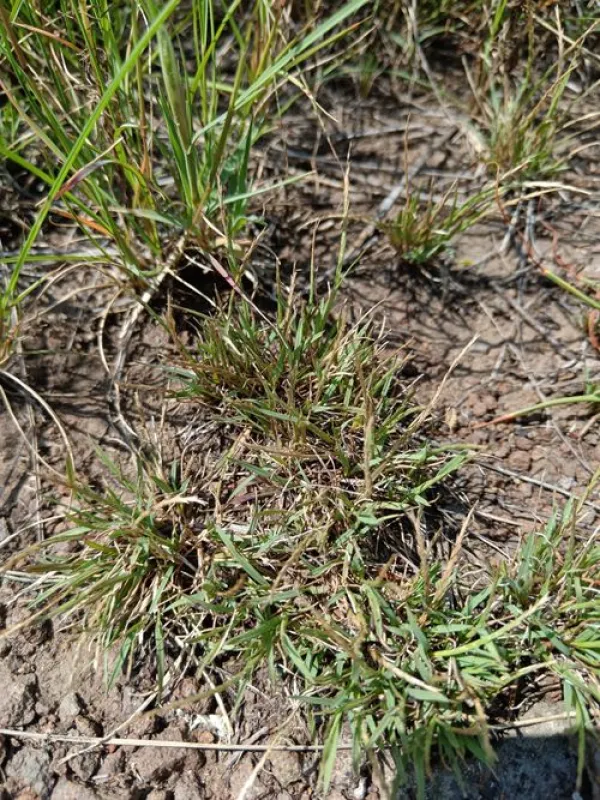
Description
Growing requirements
Oropetium capense is a remarkable grass species belonging to the Poaceae family, widely recognized for its extreme desiccation tolerance, making it a critical subject for agricultural and botanical research.
Originating from the arid regions of Africa and parts of India, this plant is naturally distributed in rocky outcrops and dry habitats where survival is contingent upon the ability to endure long periods without rain.
The morphology of this plant is defined by its small stature, dense tufted habit, and narrow leaves, which are biologically optimized to reduce water loss during intense heatwaves and sunlight exposure.
The core biological mechanism that defines Oropetium capense is its resurrection capability, allowing the plant to lose up to 95% of its water content and regain full photosynthetic activity upon rehydration.
For successful cultivation, the plant requires specialized, well-drained, nutrient-poor soil conditions that mimic its natural rocky environment, as it is highly sensitive to moisture accumulation and waterlogging.
Main diseases and pests
Oropetium capense exhibits a high degree of natural resilience against standard agricultural pests and pathogens, as its extreme environmental niche excludes most common organisms that typically infest cereal crops.
Due to the rigid composition of its tissues, including high levels of silica and lignin, the plant is effectively protected from damage caused by most herbivorous insects found in its natural range.
The primary threat to this species is habitat destruction and the encroaching pressure from invasive weeds that might outcompete the plant in areas where environmental stressors are slightly mitigated.
When grown in experimental settings, the biggest risk is the development of fungal rot in the roots, which occurs if the soil environment remains too damp, effectively disrupting the plant's natural dormancy rhythm.
Consequently, maintaining the health of Oropetium capense involves strict moisture control and ensuring the substrate provides the necessary aeration to prevent anaerobic conditions around the roots.