
Opizia stolonifera
Opizia stolonifera
Description
Sowing dates
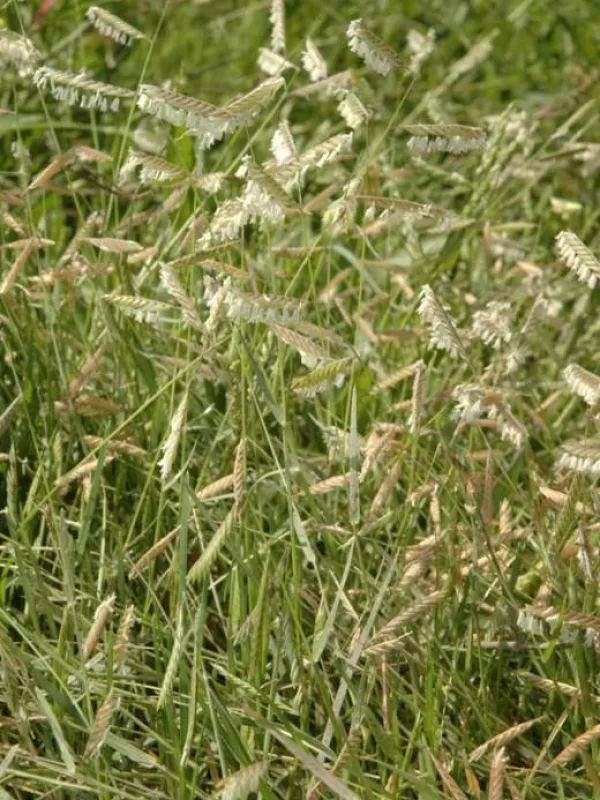
Opizia stolonifera is a perennial grass species belonging to the Poaceae family. It is characterized by its distinct stoloniferous growth habit, which allows the plant to spread rapidly and create a dense, persistent turf layer across pasture lands.
The native distribution of this species spans across Mexico and various regions of Central America. It is typically found in open environments, disturbed lands, and established grazing fields where its ability to outcompete other grasses is highly valued.
Botanically, the plant features slender stems and narrow leaves. The root system is highly adaptive, allowing the grass to anchor firmly into various soil types and extract nutrients efficiently, which contributes to its reputation as a resilient pasture crop.
Its primary agricultural use is as high-quality forage for livestock. Due to its nutritional profile and resilience to grazing pressure, it serves as a staple grass in tropical and subtropical livestock operations, supporting consistent weight gain in animals.
Beyond forage, Opizia stolonifera is frequently utilized for soil stabilization and erosion control. Its expansive network of stolons acts as a binding mechanism for topsoil on slopes, preventing degradation during heavy tropical rains.
Growing requirements
This species is highly photophilous and requires full sun exposure to thrive. It does not perform well in shaded areas, as light deficiency leads to a reduction in stolon production and overall forage biomass, eventually weakening the stand.
The ideal soil conditions include well-drained textures, such as sandy loams or porous clay soils. The plant is sensitive to waterlogging and flooding, which can lead to rapid decay of the stolons and overall decline of the grassland quality.
Temperature requirements for optimal growth range between 22 and 30 degrees Celsius. As a tropical grass, it is extremely frost-sensitive and will cease growth entirely if temperatures drop near freezing, necessitating its cultivation in warm climates.
Management of this crop involves systematic grazing regimes to stimulate vegetative growth. Strategic removal of biomass prevents the grass from reaching a mature, fibrous stage, thereby maintaining the quality and palatability of the feed for livestock.
While the plant is quite competitive on its own, fertilization with nitrogen can significantly improve yields in managed pastures. However, it is generally considered a low-maintenance crop suited for extensive farming systems where minimal inputs are required.
Main diseases and pests
Fungal infections, such as leaf rusts, can become a significant threat during periods of excessive humidity or poor field aeration. Proper pasture management and ensuring the grass is grazed down can mitigate these risks effectively.
Insect pests including aphids and various grass-feeding beetles may cause minor damage. However, the plant's natural vigor and rapid growth from stolons allow it to recover from such infestations without the need for chemical pesticide interventions.
Weed competition is primarily a concern during the establishment phase. Once the mat of Opizia stolonifera is fully formed, it successfully suppresses most invading species due to its dense growth and efficient resource utilization.
Overgrazing during extreme drought periods poses the greatest danger, as it can damage the stolons and the underlying root crowns. Preventing excessive livestock density during dry seasons is crucial for the long-term survival of the pasture.
In summary, the robustness of this species makes it a reliable asset for livestock farmers in its home range, as it remains productive under conditions that would inhibit the growth of less resilient forage species.