
Opisthopappus taihangensis
Opisthopappus taihangensis (Y. Ling) C. Shih
Description
Growing requirements
Opisthopappus taihangensis is a perennial herbaceous plant belonging to the Asteraceae family. It is endemic to the Taihang Mountains in China, where it grows primarily on steep limestone cliffs and rocky slopes, showcasing significant resilience to extreme environmental stressors.
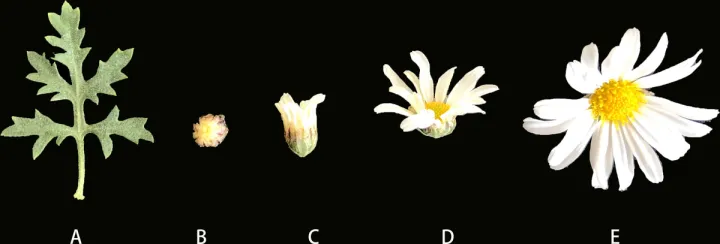
The botanical profile of this species includes silver-grey, deeply dissected leaves covered in fine hairs. This pubescence is an evolutionary adaptation that reflects sunlight and reduces transpiration, enabling the plant to survive in arid, high-altitude rocky environments.
Cultivation requirements for this species focus on mineral-rich, highly permeable substrates. Ideally, the growing medium should be composed of limestone gravel and sand, ensuring that the roots remain aerated and never sit in standing water, which is critical for preventing decay.
Regarding climate, the plant thrives in environments with good air circulation and significant temperature fluctuations between day and night. It is well-suited for temperate regions but must be protected from excessive winter moisture, which can cause crown rot.
In ornamental horticulture, Opisthopappus taihangensis is highly valued for its aesthetic appeal in rock gardens and crevice plantings. Its compact growth form and daisy-like floral heads make it a sought-after subject for gardeners interested in preserving rare mountainous flora.
Main diseases and pests
The primary threats to this species are root-rot fungi triggered by poor drainage or overly rich, damp potting mixes. Excessive nitrogen fertilizers should be avoided, as they promote succulent, weak growth susceptible to pathogens.
In field conditions, the plant is relatively resistant to major pests. However, indoor or greenhouse cultivation may lead to issues with aphids or spider mites. Maintaining dry, cool conditions during the dormant period is the most effective way to prevent disease and pest pressure.