
Ophrestia hedysaroides
Ophrestia hedysaroides
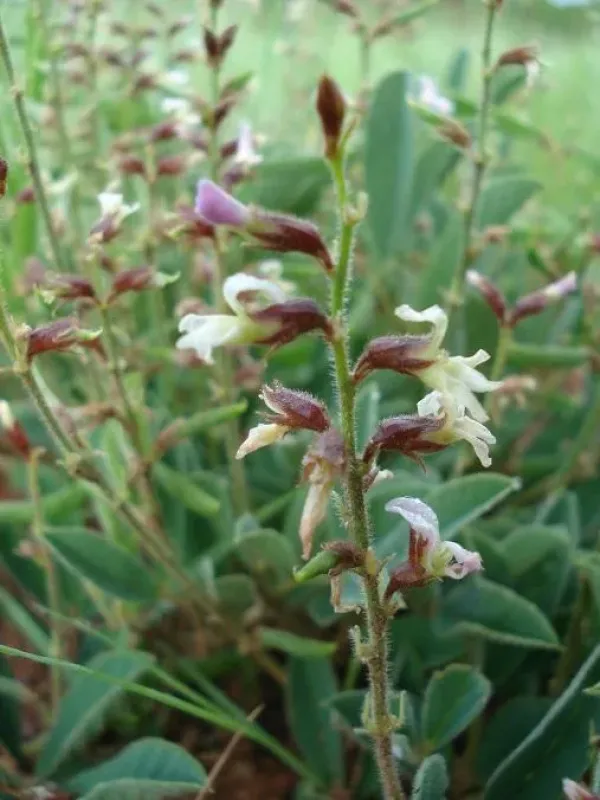
Description
Sowing dates
Ophrestia hedysaroides is a perennial legume species that requires well-prepared seedbeds to ensure optimal germination rates in agricultural settings.
The sowing process is best conducted during the spring when soil temperatures consistently reach the minimum thresholds required for legume growth.
Seeds should be treated with scarification techniques if necessary to overcome dormancy issues and improve the uniformity of crop establishment.
Planting depth must be adjusted according to soil texture, with shallower sowing recommended for heavier soils to prevent seedling rot.
Proper spacing between rows is essential for early-stage weed management and allows for better air circulation among the young plants.
Growing requirements
This crop thrives in sunny environments where it can utilize full daylight to maximize photosynthetic activity and overall biomass production.
Soil requirements focus on well-draining structures, as the root system of this legume is highly sensitive to waterlogged conditions.
It adapts well to a variety of soil types, showing resilience in moderately poor conditions, though it performs best in fertile loamy substrates.
Climatic adaptability includes a tolerance for moderate heat, provided that adequate soil moisture is maintained during the peak growing season.
Nutrient management should focus on phosphorus and potassium to encourage root development and biological nitrogen fixation through symbiotic bacteria.
Yield
Biomass yield for Ophrestia hedysaroides increases significantly from the second year onwards as the root system establishes itself fully.
As a legume, its primary agricultural value lies in its ability to enrich the soil with nitrogen, acting as a valuable restorative crop.
The forage quality is considered high, offering a rich source of proteins and minerals suitable for various livestock feeding programs.
Yield management requires careful attention to cutting schedules to balance the need for biomass against the plant's ability to regenerate.
Sustainable production practices help maintain consistent yields over multiple years, especially when combined with appropriate crop rotation.
Main diseases and pests
Fungal pathogens associated with excessive moisture represent the most significant threat to the health and survival of this crop.
Insects such as weevils can cause substantial damage to both root nodules and foliage, impacting the plant's overall vigor and nitrogen fixation.
Preventive strategies include maintaining proper density and ensuring adequate drainage to minimize the risk of disease outbreaks within the field.
Early detection of pest populations is crucial, allowing for targeted interventions that minimize the need for heavy chemical applications.
Following a strict crop rotation cycle effectively breaks the life cycles of many soil-borne diseases that affect leguminous plants.
Harvesting
Harvesting for forage should occur when the plants reach the peak flowering stage to capture the highest nutritional concentration.
Seed harvesting requires precision machinery to avoid damaging the seed coats, ensuring that the harvested material retains high viability.
Post-harvest drying is essential to reduce seed moisture levels to safe storage standards, preventing mold growth and heat damage.
The remaining organic matter can be incorporated into the soil structure to enhance fertility and improve long-term agricultural sustainability.
Proper storage facilities with adequate ventilation are required to maintain seed quality for future planting seasons.