
Ophiuros exaltatus
Ophiuros exaltatus
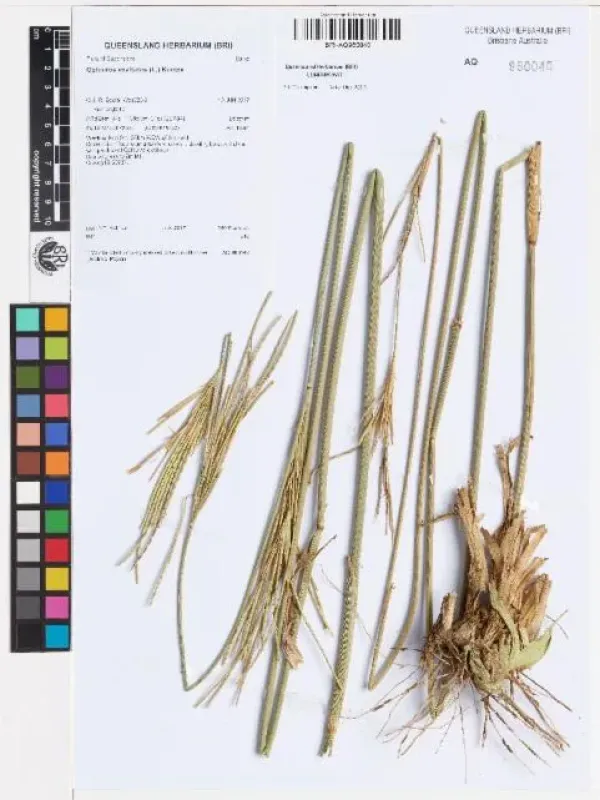
Description
Growing requirements
Ophiuros exaltatus is a robust perennial grass belonging to the Poaceae family, widely recognized for its adaptation to warm-climate ecosystems. This species features strong, dense root systems that contribute to soil stability and persistence in various tropical environments.
The plant is native to tropical and subtropical regions of Asia, Africa, and parts of Australia. It primarily thrives in lowland habitats, forming significant portions of natural grasslands that serve as vital resources for livestock grazing across these geographic areas.
Regarding soil requirements, Ophiuros exaltatus performs best in deep, moist soils that offer good drainage while retaining sufficient hydration. It is particularly valued for its ability to withstand temporary waterlogging, a trait that makes it superior to many other forage grasses in flood-prone areas.
This grass species requires full sun exposure and warm temperatures to maximize its growth potential. It is highly sensitive to cold stress, and frost can cause severe damage to the plant's metabolic processes and overall biomass production, limiting its agricultural range.
Management practices for this crop involve maintaining soil nutrient levels through nitrogen fertilization to support rapid regrowth after harvest. Controlled grazing regimes are essential to prevent overgrazing, ensuring that the plant retains enough photosynthetic surface area to regenerate successfully.
Yield
The primary agricultural use of Ophiuros exaltatus is as a source of pasture and hay for livestock. When managed correctly, it provides a consistent supply of forage that is palatable and nutritious, supporting the dietary needs of cattle and other ruminants during peak growing seasons.
Main diseases and pests
The crop is susceptible to various fungal pathogens, specifically rusts and smuts, which thrive under conditions of high humidity and poor air circulation. Integrated pest management and maintaining proper plant density are the most effective strategies to prevent widespread crop losses from these threats.