
Lake Oocystis
Oocystis lacustris
Description
Growing requirements
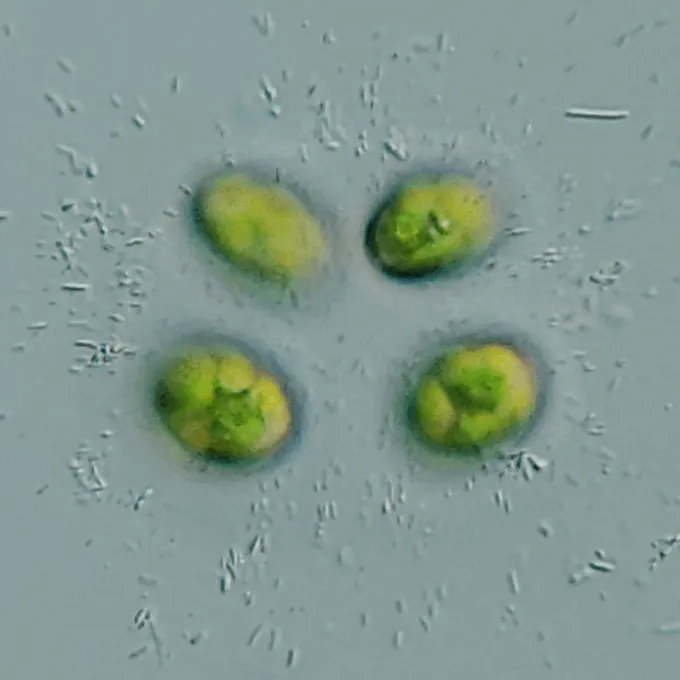
Lake Oocystis (Oocystis lacustris) is a planktonic green alga belonging to the family Oocystaceae. It exists as single cells or colonies encapsulated in a protective mucilaginous sheath.
The species has a cosmopolitan distribution, inhabiting diverse freshwater environments ranging from small ponds to large reservoirs. It is a key organism in freshwater ecology.
Optimal growth occurs under moderate temperatures, typically between 18°C and 25°C. The species thrives in well-lit areas where photosynthesis can maximize cellular development.
Soil and water requirements focus on nutrient availability. The algae rely on nitrates and phosphates for protein synthesis and rapid cell division, common in eutrophic environments.
Reproduction is primarily asexual through the formation of autospores within the mother cell. This rapid reproductive cycle allows the population to bloom quickly under favorable conditions.
Yield
In aquaculture, Lake Oocystis is highly regarded as a primary producer. It serves as the foundation for the trophic web, providing food for various zooplankton species.
To maximize biomass, pond managers use mineral fertilization strategies. Maintaining the correct N:P ratio is essential for sustaining a high density of Oocystis cells.
The nutritional value of these algae contributes significantly to the growth rates of fry. It is often considered a "natural starter feed" in extensive and semi-intensive farming.
Productivity is measured by cellular density per milliliter. Proper pond management ensures a steady supply of algae, reducing the reliance on artificial protein supplements.
The economic impact of Oocystis is indirect but substantial, as it minimizes overhead costs related to supplemental feeding during the early stages of fish development.
Main diseases and pests
The primary threat associated with Oocystis blooms is oxygen depletion. Because algae respire at night, extreme densities can lead to hypoxia, risking the survival of aquatic livestock.
Pathogenic threats include fungal infections specifically targeting the Oocystaceae family. These pathogens can cause rapid population crashes in stagnant pond environments.
Competition from harmful cyanobacteria represents another significant risk. If the ecological balance is tipped, toxic algae may overtake Oocystis, reducing the pond's overall quality.
Control measures involve the introduction of efficient filter-feeders, such as Daphnia, which naturally regulate the algae population to a stable equilibrium.
Regular monitoring of water quality parameters is crucial. Maintaining a healthy balance prevents the "crashing" of the algal population and subsequent water quality degradation.