
Oocephala staehelinoides
Oocephala staehelinoides
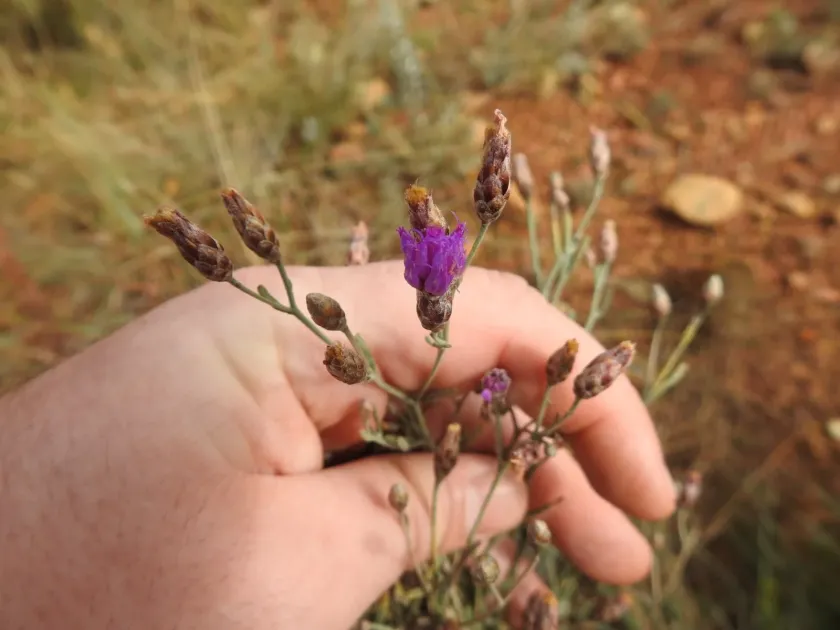
Description
Growing requirements
Oocephala staehelinoides is a perennial herbaceous plant belonging to the Asteraceae family. Historically linked to the genus Staehelina, this plant has been reclassified into the Oocephala genus, which is characterized by specific floral structures and adaptations to Mediterranean ecosystems.
The plant is naturally occurring in arid, rocky mountain regions. Its evolutionary history has endowed it with high drought tolerance, making it a specialized species that thrives in environments where most agricultural crops would perish due to lack of water or poor soil nutrient levels.
Climate requirements for this plant focus on high light intensity and thermal stability. It performs best in areas with dry, warm summers and mild winters, which mimics its original ecological niche. Sudden temperature drops or prolonged exposure to high humidity can be detrimental to the plant's metabolic processes.
Soil requirements demand excellent drainage. The species is highly susceptible to root damage caused by stagnant water, which often leads to rapid fungal colonization. Sandy, stony, or calcareous soils are optimal for its root system, ensuring proper oxygenation and preventing soil compaction.
Agronomic practices for Oocephala staehelinoides are limited to maintaining an environment that minimizes human intervention. Due to its adaptation to harsh conditions, fertilization is rarely required, and over-application of synthetic nutrients often leads to excessive green mass growth at the expense of root stability and overall plant longevity.
Main diseases and pests
The primary threats to Oocephala staehelinoides include root-rot diseases caused by improper moisture management. Pathogenic fungi thrive if the growing medium remains overly saturated for extended periods, necessitating the use of gravel or coarse-sand mixes to facilitate rapid drainage.
Pest management should focus on early identification of aphids and mites, which are common across the Asteraceae family. Biological control methods are preferred, as the plant's delicate physiological balance can be disrupted by broad-spectrum chemical interventions, potentially damaging the surrounding microflora.