
Onoseris hyssopifolia
Onoseris hyssopifolia Kunth
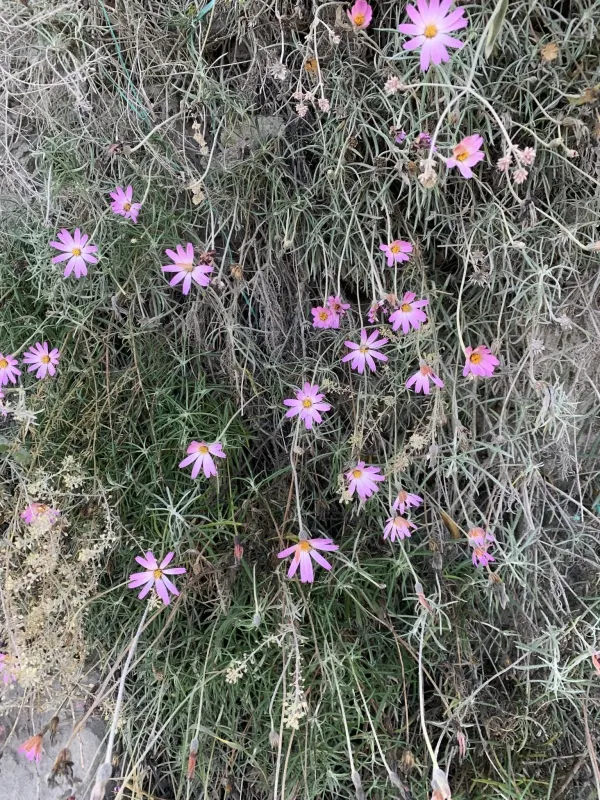
Description
Growing requirements
Onoseris hyssopifolia is a perennial plant species belonging to the Asteraceae family, indigenous to the high-altitude regions of the Andean mountain range in South America.
The plant exhibits remarkable adaptation to extreme environments, thriving in stony, well-drained soils where nutrient availability is typically low compared to lowland agricultural soils.
Success in cultivating this species requires imitating its native habitat conditions, primarily focusing on excellent drainage and exposure to high-intensity solar radiation.
The species demonstrates significant resilience against drought, making it a potentially valuable candidate for sustainable cultivation in regions that experience periodic water scarcity.
As a subject of botanical study, Onoseris hyssopifolia is recognized for its unique physiological traits that allow it to manage metabolism effectively under fluctuating diurnal temperatures.
Main diseases and pests
Pathological threats to Onoseris hyssopifolia primarily involve fungal infections that target the root and vascular system, particularly when soil moisture levels exceed the plant's natural tolerance.
Insect pests commonly found in mountain grasslands may occasionally infest the foliage, requiring careful observation during the peak vegetative growth phases.
Excessive humidity in the air coupled with poor circulation around the plant canopy significantly increases the susceptibility of this species to various mildews.
Preventive agricultural practices should emphasize the importance of soil aeration and the avoidance of chemical fertilizers that could cause osmotic stress to the sensitive root system.
Successful management of threats relies on a balanced approach, prioritizing environmental hygiene and early diagnosis of physiological disorders related to site suitability.