
Woolly Thistle
Onopordum eriocephalum
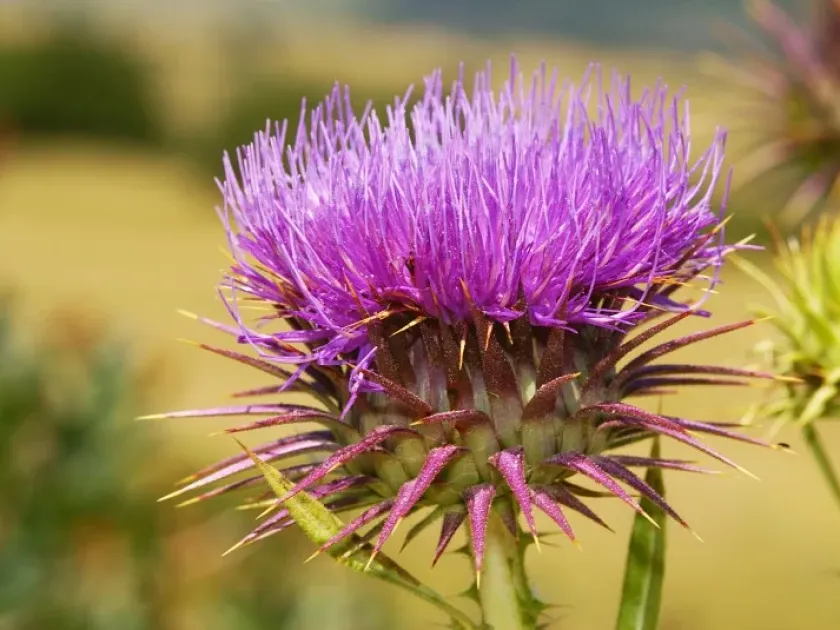
Description
Sowing dates
The sowing of Onopordum eriocephalum is best achieved using seeds that exhibit high germination rates when sown before winter or early in the spring. Seeds should be planted at a depth of 1.5 to 2 centimeters in well-prepared soil.
For industrial cultivation, row spacing should be maintained at 60–70 centimeters to allow enough room for the development of the large leaf rosettes. Plants should be thinned to an interval of 30–40 centimeters to ensure adequate nutrient uptake.
As a biennial crop, the plant focuses on developing a robust basal rosette of leaves during the first year of growth. The main flowering stem and seeds are produced only in the second year of the plant's life cycle.
Stratification of seeds at low positive temperatures for about a month can accelerate germination. This practice results in more uniform crop development and simplifies subsequent field management tasks.
Sufficient soil moisture is critical during the germination phase. Once the seedlings emerge, farmers must keep the rows free of weeds to minimize competition for water and solar energy.
Growing requirements
This crop is highly light-demanding, thriving best in open fields that receive full sunlight throughout the day. Excessive shading negatively impacts the quality of the harvested biomass and delays maturity.
The plant performs best in light, well-drained, and fertile soils, such as loams or sandy soils. It is vital to avoid areas with high water tables or poor drainage, as the root system is sensitive to waterlogging.
Onopordum eriocephalum is recognized for its significant drought tolerance. The deep taproot system allows it to reach moisture in lower soil profiles, making it suitable for cultivation in arid or semi-arid regions.
The ideal soil pH for this species ranges from 6.0 to 7.5. Occasional application of moderate nitrogen and phosphorus fertilizers during the early vegetative phase can enhance overall plant vigor.
The sturdy, ribbed stems make the crop resistant to strong winds, ensuring stability in open terrain. This characteristic also contributes to good air circulation within the field, which is important for preventing fungal diseases.
Yield
Green mass yields can reach 15–20 tons per hectare under optimal cultivation practices. The primary harvest occurs during the second year when the plants reach the mass flowering stage.
The yield of dried medicinal raw material (flower heads) averages about 150–250 kilograms per hectare. The final quality depends heavily on the timing of the harvest and the drying conditions provided after collection.
Beyond its medicinal use, this crop is a valuable honey producer, capable of providing a stable nectar flow. In dense stands, it can produce up to 200–300 kilograms of honey per hectare, benefiting local beekeeping efforts.
Seed production is sufficient to ensure self-sufficiency for future seasons. Seeds should be harvested as soon as the seed heads turn brown to prevent premature shedding on the field.
Inter-row cultivation is essential for maximizing yield, as it helps conserve soil moisture and suppresses competing weeds that can stunt the growth of the thistle rosettes.
Main diseases and pests
Fungal diseases, such as powdery mildew, may affect the foliage if environmental humidity remains high for extended periods. Keeping the field clean and avoiding over-crowded plants helps minimize infection risks.
Aphids represent a major pest risk, often feeding on the succulent young buds and leaves. Monitoring the field during the budding phase is critical for early detection and intervention.
For disease management, biological fungicides are preferred, especially when the crop is intended for medicinal or food purposes. Chemical pesticide use should be strictly restricted to maintain the quality of the raw material.
Slugs can pose a threat to young seedlings during wet seasons. Regular soil surface disruption helps in reducing the population of these pests and maintaining a healthy plant environment.
- Monitoring pest density during the budding period.
- Weeding to ensure adequate airflow and sanitation.
- Using preventative measures to keep humidity levels balanced.
Harvesting
Harvesting for medicinal purposes is typically performed by hand when the flower heads are in full bloom. This phase corresponds to the period when the plant's active compounds are at their peak.
Immediately after collection, the flower heads must be transported for drying. The ideal drying temperature is 40–45 degrees Celsius in a well-ventilated, shaded area to preserve essential oils and quality.
Seed harvesting should be executed precisely when the heads begin to disperse. The collected material is then dried indoors and winnowed to remove impurities before long-term storage.
Farmers should avoid leaving the crop on the field for too long, as the seeds are easily carried away by the wind. Monitoring the color change of the flower petals is a reliable indicator for scheduling the harvest.
Proper storage in paper bags or breathable containers helps maintain the potency of the dried product for 1–2 years, provided the storage area is kept cool, dark, and dry.