
Calothamnus quadrifidus
Calothamnus quadrifidus R. Br.
Description
Growing requirements
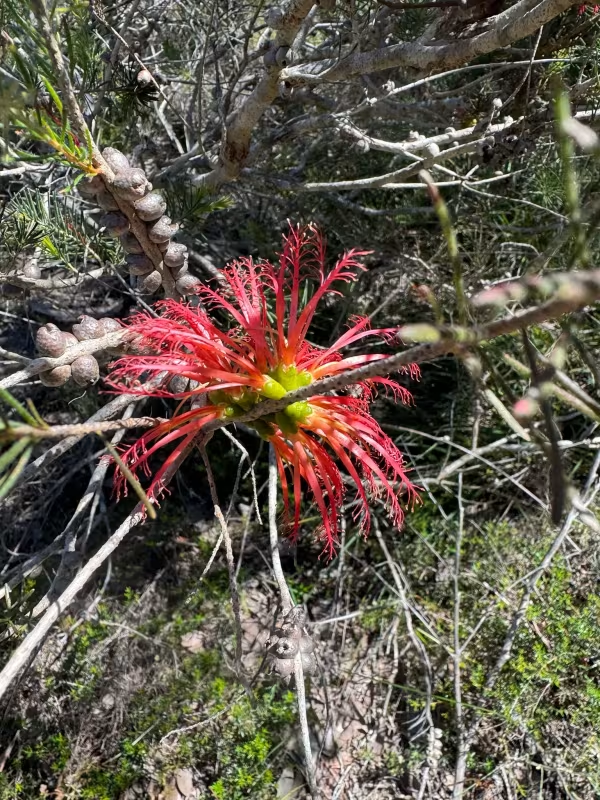
Calothamnus quadrifidus, commonly known as the one-sided bottlebrush, is an evergreen shrub belonging to the Myrtaceae family, native to Western Australia. It is highly regarded in horticulture for its resilience and ability to thrive in poor, sandy soil conditions.
The plant thrives in full sun and requires well-drained soil to prevent root rot. It is sensitive to waterlogged conditions, making appropriate soil drainage the most critical factor for successful establishment and long-term health in any garden or plantation.
It is well-adapted to high-temperature environments, demonstrating significant drought tolerance once established. However, its frost tolerance is relatively limited, requiring protection or container cultivation in regions prone to heavy frost or freezing temperatures.
Botanically, it is characterized by narrow, needle-like foliage and vibrant red, claw-shaped inflorescences. These unique flowers develop along one side of the stem, offering a distinctive visual appeal and attracting various pollinators, including nectar-feeding birds and bees.
Cultural practices include minimal watering after planting to encourage deep rooting. Pruning is essential to maintain the shrub's shape and density, as it encourages fresh growth and more prolific flowering, particularly after the peak blooming season.
Main diseases and pests
The primary threat to the health of Calothamnus quadrifidus is fungal disease, particularly root rot caused by excessive moisture. Ensuring that the planting site has excellent aeration and drainage is the most effective preventative measure against these pathogens.
Pests such as aphids or spider mites may occur in protected environments like greenhouses or in areas with poor airflow. Regular inspection and targeted application of horticultural soaps or pesticides can help manage these infestations effectively.
In humid or stagnant air conditions, the plant may occasionally suffer from powdery mildew. Proper plant spacing and avoiding overhead irrigation can significantly reduce the risk of foliage diseases, allowing for better air circulation throughout the shrub canopy.
Economically, the plant is widely used in xeriscaping, as a windbreak for small farms, and as a decorative feature in Mediterranean-style gardens. Its ability to attract beneficial insects makes it a valuable asset for integrated pest management in local ecosystems.
Due to the presence of volatile oils in its leaves, the plant exhibits moderate natural resistance to many common herbivorous pests. This characteristic reduces the need for heavy chemical intervention, contributing to more sustainable agricultural and landscaping practices.