
Oldenlandia sclerophylla
Oldenlandia sclerophylla
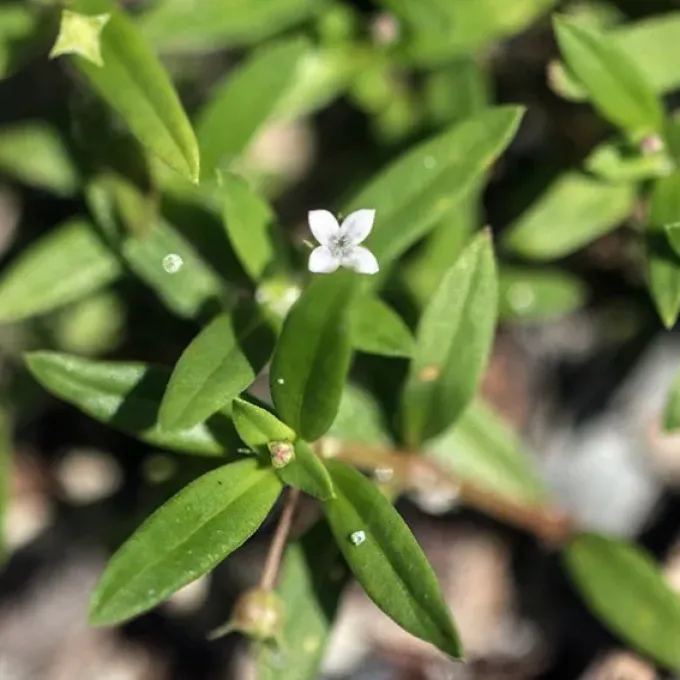
Description
Growing requirements
Oldenlandia sclerophylla is a member of the Rubiaceae family, known for its distinct physiological adaptation to specific environmental niches. Understanding its botanical structure is key to successful management.
The plant thrives in well-drained, porous soils that prevent moisture accumulation around the roots. Sandy-loam substrates are typically ideal for its optimal growth and root development.
This species requires high levels of solar radiation to maintain its characteristic rigid foliage and metabolic health throughout the growing season.
Temperature management is critical, as the crop prefers consistent tropical or subtropical warmth without exposure to frost or prolonged chilly conditions that can disrupt growth.
Irrigation must be precise; while the plant requires steady moisture, over-saturation must be strictly avoided to prevent the development of root pathogens and preserve the health of the stem base.
Main diseases and pests
The cultivation of Oldenlandia sclerophylla is often challenged by specific environmental pests common to the Rubiaceae family, particularly in humid agricultural settings.
Spider mites are among the most persistent pests, thriving in dry environments and damaging the integrity of the rigid leaves by feeding on cell sap.
Fungal infections, such as leaf spot diseases, are a major threat when air circulation is poor, leading to significant yield loss if not managed through proper spacing.
Root rot remains the most serious threat, typically triggered by poor drainage systems or excessive rainfall during the germination and initial growth phases.
Effective management strategies include integrated pest control, ensuring proper ventilation in the growing area, and applying organic amendments to enhance soil biological diversity.