
Oldenlandia pumila
Oldenlandia pumila
Description
Growing requirements
Oldenlandia pumila is an annual herbaceous plant belonging to the Rubiaceae family. Native to tropical regions, this species thrives in environments characterized by high humidity and consistent warmth, often found in tropical Asia.
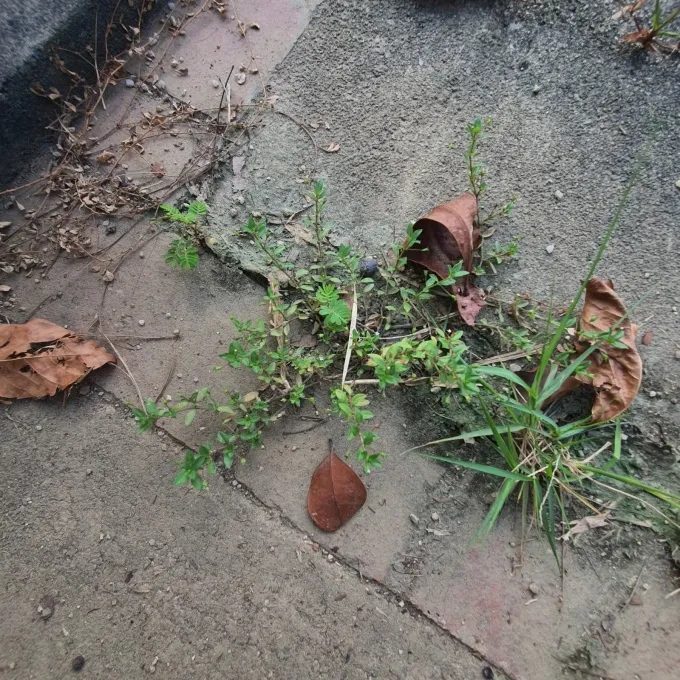
Botanically, the plant is distinguished by its small opposite leaves and low-growing, spreading habit. Its morphology allows it to adapt well to the shade of larger vegetation, making it a specialized member of tropical floor ecosystems.
The cultivation requirements focus on loose, fertile soils rich in organic matter. Maintaining a slightly acidic to neutral pH level is essential for optimal nutrient absorption, which directly influences the vegetative development of the plant.
Environmental conditions must mimic tropical zones, where temperatures remain stable throughout the year. The species is sensitive to extreme solar radiation, requiring partial shade or canopy coverage to prevent dehydration and chlorophyll degradation.
In terms of agricultural use, Oldenlandia pumila is highly valued in traditional medicine and phytochemical research. The accumulation of bioactive compounds makes it a subject of interest for developing plant-based pharmaceutical ingredients.
Main diseases and pests
The primary threats to Oldenlandia pumila involve fungal infections triggered by excessive soil moisture and poor air circulation. Root rot is the most common pathology, often leading to rapid decline in plant vitality.
Pests, particularly aphids and spider mites, pose significant challenges to plant health. These insects feed on the plant's sap, which can cause significant stress and reduce the overall yield of usable biomass.
Weed management is critical during the initial establishment period due to the slow initial growth rate of the plant. Without consistent weeding, competing vegetation can easily outpace the crop and limit its access to light and minerals.
Over-irrigation is a frequent cause of crop failure, as the plant cannot tolerate waterlogged conditions. Designing proper soil drainage systems is a standard requirement for successful cultivation in humid areas.
To mitigate the risks of disease, crop rotation and the use of resistant planting materials are recommended. Biological pest control methods are preferred to preserve the medicinal quality of the harvested biomass.