
Oldenlandia officinalis
Oldenlandia officinalis
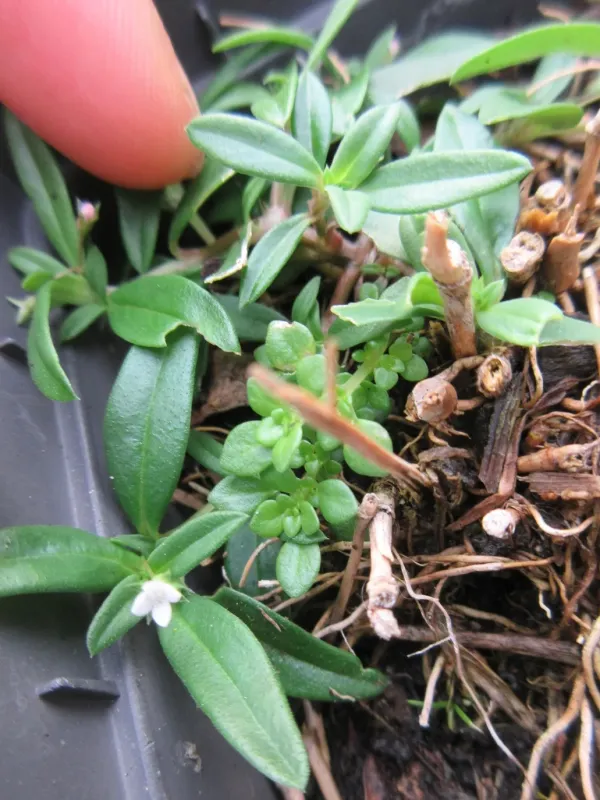
Description
Sowing dates
Oldenlandia officinalis is a tropical plant that requires specific thermal conditions to germinate. In temperate climates, sowing must be performed in greenhouses or controlled environments where soil temperature remains consistently between 20°C and 22°C.
The seeds are extremely small, necessitating a surface sowing method. They should be pressed gently into a moist, well-draining substrate without deep burial, as light often aids the germination process of this species.
Using seedling trays is the preferred method for commercial production. This approach ensures a uniform stand and protects vulnerable young plants from environmental stresses, significantly increasing the survival rate after transplanting to the main field.
Optimal spacing should be maintained at 30-40 cm between rows. This distance is crucial for providing sufficient aeration, which prevents the buildup of humidity around the base of the plant and minimizes the risk of foliage diseases.
In tropical or subtropical regions, sowing is typically timed with the beginning of the rainy season. However, farmers must ensure that the drainage systems are adequate to prevent waterlogging during the initial growth stages.
Growing requirements
As a member of the Rubiaceae family, this plant thrives in loose, airy, and well-drained loamy soils. A soil pH ranging from neutral to slightly acidic is ideal for optimal nutrient uptake and overall plant vigor.
Light management is a critical factor in the cultivation of Oldenlandia officinalis. While the plant requires ample sunlight for the biosynthesis of secondary metabolites, intense midday sun can cause dehydration, necessitating the use of light shade cloth.
Irrigation must be precise; the plant demands consistent moisture but is highly susceptible to root rot if the soil becomes waterlogged. Drip irrigation systems are highly recommended to target the root zone while keeping the leaves relatively dry.
The plant performs best at temperatures between 25°C and 28°C. Cold exposure should be avoided at all costs, as even mild chilling can stunt growth and negatively affect the concentration of active medicinal compounds.
Nutrient management focuses on a balanced N-P-K approach, with an emphasis on phosphorus during the early stages to promote a strong root system. Organic amendments are excellent for improving soil structure and supporting the long-term health of the crop.
Yield
The yield of Oldenlandia officinalis is primarily measured by the total weight of dried aerial parts harvested per unit area. Achieving high productivity requires meticulous attention to plant health throughout the entire vegetative cycle.
Under optimal management, the plant displays good regrowth potential after harvesting. If the growing season is long enough, growers can often perform multiple cuts, thereby maximizing the total biomass production per season.
Factors influencing yield include the quality of the seed stock, consistent irrigation, and effective weed control. Competition with weeds can severely limit biomass accumulation, making early-stage weeding an essential agronomic practice.
Field monitoring and biomass estimation are conducted regularly to determine the perfect harvest time. This ensures that the crop is collected when the concentration of medicinal compounds is at its peak, directly impacting the quality of the final product.
Economic success in farming this plant relies on maintaining consistent production standards. High-quality output is essential for supplying the pharmaceutical industry, where chemical profile consistency is highly valued.
Main diseases and pests
Fungal diseases represent the most significant threat to this crop, especially in high-humidity environments. Leaf spots and root rot are common issues that require strict sanitary practices and proper spacing to manage effectively.
Pests such as aphids and spider mites are frequent nuisances. These pests feed on the tender tips of the plants, causing distorted growth and significantly reducing the aesthetic and pharmaceutical value of the harvested biomass.
Nematodes can also pose a hidden threat by damaging the root systems, leading to a decline in plant health that is difficult to reverse. Soil disinfection and the use of healthy, pathogen-free planting material are vital for prevention.
Integrated Pest Management (IPM) is the most sustainable approach for this crop. It involves regular scouting, the use of biological control agents, and limited reliance on harsh pesticides to preserve the medicinal purity of the plants.
Crop residue management is equally important. Removing and disposing of infected plant material prevents the buildup of inoculum in the soil, protecting future crops from repetitive disease cycles.
Harvesting
The harvest period for Oldenlandia officinalis is defined by the early flowering stage. This is the moment when the plant's metabolic activity is concentrated on producing the specialized compounds required for its medicinal applications.
Harvesting should be done using clean, sharp blades to ensure a smooth cut. Proper cutting promotes faster recovery and reduces the risk of tissue damage at the site of the cut, which could otherwise become an entry point for pathogens.
Post-harvest handling is critical to ensure quality. The harvested material should be transferred to a drying facility immediately to avoid degradation caused by high ambient temperatures and ultraviolet light exposure.
Drying is performed in controlled, well-ventilated chambers at temperatures not exceeding 45°C. This careful dehydration process preserves the chemical integrity of the plant, ensuring that its pharmacological efficacy remains stable.
Once dried, the product is stored in airtight containers to protect it from moisture and light. Proper storage conditions are essential for maintaining a long shelf life and ensuring that the herb reaches the consumer in prime condition.