
Oldenlandia herbacea
Oldenlandia herbacea
Description
Growing requirements
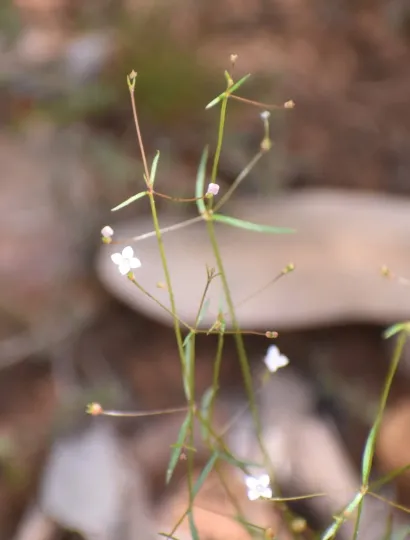
Oldenlandia herbacea is a member of the Rubiaceae family, commonly recognized as a slender herbaceous annual. The plant features delicate, linear-lanceolate leaves and thin, branched stems that thrive in diverse tropical ecosystems.
Originating from the tropical regions of Asia, Africa, and parts of the Americas, this species is highly adaptable. It naturally colonizes damp habitats, including paddy fields, riverbanks, and marshy grasslands where moisture is readily available.
The cultivation requirements for Oldenlandia herbacea include a warm, humid climate and significant exposure to sunlight. The plant prefers fertile, loamy soils with high water-retention capacity to support its rapid development during the rainy season.
In an agricultural context, irrigation management is crucial. Growers must ensure consistent soil moisture to prevent water stress, which can lead to stunted growth and reduced concentrations of secondary metabolites essential for its medicinal efficacy.
Beyond its botanical interest, the plant holds significant value in ethnobotany. It is widely harvested for traditional medicinal practices due to its reported anti-inflammatory, antioxidant, and therapeutic properties contained within the plant's aerial parts.
Main diseases and pests
The plant is susceptible to various fungal diseases, primarily root and crown rots, which often occur when soil drainage is poor or plant density is excessively high, promoting stagnant microclimates.
Pest pressure is mainly attributed to sap-sucking insects like aphids and whiteflies. These pests not only damage the leaf tissues but can also serve as vectors for various plant viruses that significantly impact crop health.
Fungal leaf spots are another common issue, especially during prolonged wet weather. Implementing proper crop rotation and spacing is essential to mitigate the risk of these infections spreading throughout the field.
Control strategies often involve integrated pest management (IPM) techniques. This includes the monitoring of pest populations and the selective use of botanical or biological pesticides to maintain ecological balance.
Good agricultural practices, such as sanitizing equipment and removing diseased plant debris, are fundamental for maintaining a healthy stand of Oldenlandia herbacea and maximizing harvest yields.