
Peanut
Okenia hypogaea
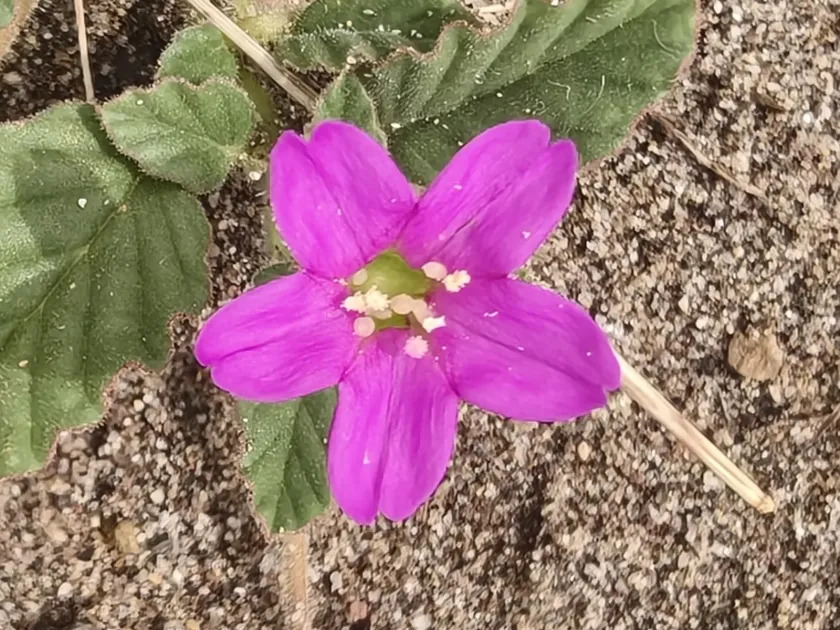
Description
Sowing dates
Peanuts are warmth-loving crops, requiring soil temperatures of at least +15°C to +18°C at a depth of 10 cm before sowing can commence.
In temperate zones, planting typically occurs in late spring, ensuring the soil is sufficiently warmed and the risk of late frosts has passed.
Seeds are sown at a depth of 5 to 8 cm, with specific spacing requirements to provide enough space for the plant's unique subterranean pod development.
Selecting certified, high-vigor seeds is essential for ensuring uniform emergence and a robust stand during the early stages of growth.
Preparing a fine, weed-free seedbed is crucial, as the young seedlings are delicate and require minimal competition from weeds in their initial development.
Growing requirements
As a member of the Fabaceae family, peanuts thrive in temperatures ranging between +25°C and +30°C throughout their growing cycle.
The ideal soil type is loose, well-drained sandy loam, which facilitates the penetration of the flower stalks, known as pegs, into the soil to form pods.
Proper aeration is vital, as the pods require a specific environment to swell and develop their oil-rich kernels under the surface of the ground.
Water management is critical during the flowering and pegging stages; both drought and excessive water can drastically impact yield quality.
Adequate sunlight is the most important environmental factor for healthy growth, as shading significantly restricts the plant's metabolic processes.
Yield
Standard commercial yields for peanuts range from 2.5 to 3.5 tonnes per hectare, depending on variety, soil fertility, and management practices.
Intensive farming systems utilizing drip irrigation and advanced fertilization programs can push yields upwards of 5 tonnes per hectare.
The quality of the harvest is determined by the kernel size, oil content, and the maturity levels achieved before the onset of the harvest window.
Regular hilling, or mounding soil around the base of the plant, is a proven method to increase yield by providing a better base for pegging.
Farmers focus on optimizing the plant population per hectare to ensure each individual plant has enough resources for pod filling.
Main diseases and pests
Common fungal diseases include leaf spot (Cercospora), which can cause premature defoliation and significantly weaken the plant's vigor.
Root rots and wilting diseases are prevalent in poorly drained soils, making effective crop rotation a cornerstone of peanut health management.
Insect threats include wireworms and aphids, the latter being particularly dangerous as they can transmit viral diseases across the field.
Integrated Pest Management (IPM) strategies are recommended, focusing on monitoring populations and using targeted treatments when thresholds are met.
- Use of disease-resistant cultivars.
- Strict adherence to a 4-year crop rotation cycle.
- Timely weed control to eliminate alternative hosts for pests.
Harvesting
Peanut harvesting begins when the foliage begins to yellow and the internal shells of the pods show a darkened, mature vein pattern.
The crop is typically lifted from the soil and left to dry in windrows for several days to reduce seed moisture and improve processing efficiency.
Modern harvesting combines are utilized to separate the pods from the vines, requiring precise adjustment to prevent mechanical damage to the nuts.
Post-harvest drying is essential to reach a moisture content of approximately 8–10% to prevent the growth of mycotoxins during storage.
Long-term storage requires cool, dry, and well-ventilated conditions to maintain kernel quality and prevent lipid oxidation of the stored crop.