
Ogastemma pusillum
Ogastemma pusillum
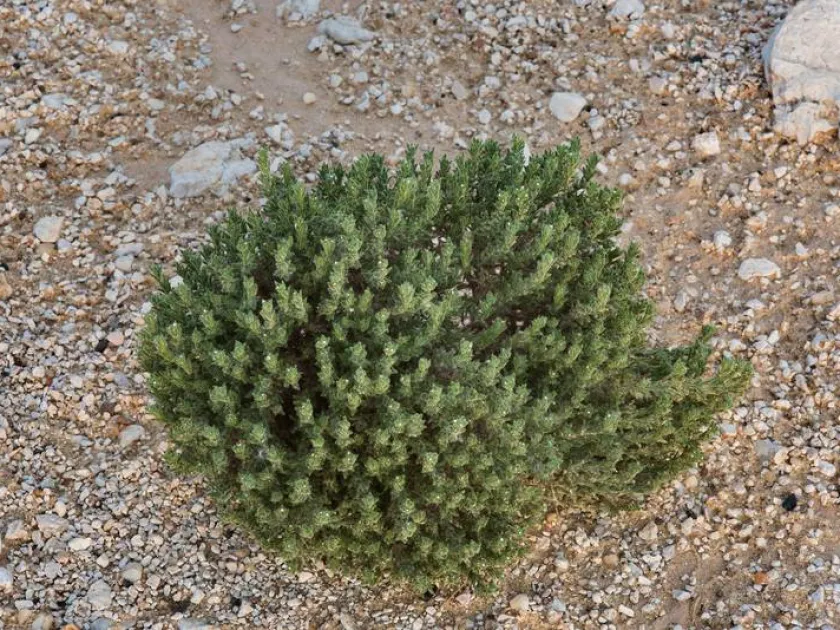
Description
Sowing dates
Ogastemma pusillum is a desert ephemeral, meaning its life cycle is optimized for brief windows of moisture. In agricultural settings, sowing is best performed during cooler months to mimic the plant's natural adaptation to winter or early spring rains.
The seeds are small and possess limited energy reserves, requiring shallow placement in the soil. A depth of no more than 0.5 cm is ideal to allow the cotyledons to emerge without exhausting the seed's nutrients.
Seedbed preparation requires a light, well-draining soil texture. Incorporating sand or fine gravel into the top layer can improve soil structure and prevent the crusting that often hinders germination in arid conditions.
Maintaining consistent soil surface moisture for the first 10-14 days is essential. Once the seedlings establish their primary root system, irrigation should be carefully tapered to encourage deep rooting and resilience.
Spacing should be managed to ensure adequate ventilation. Dense plantings can create microclimates with higher humidity, which is counterproductive for a plant evolved to thrive in dry, desert environments.
Growing requirements
As a member of the Boraginaceae family, Ogastemma pusillum is adapted to harsh, resource-limited ecosystems. Its evolution has focused on rapid flowering and seed set to avoid the peak heat of the desert summer.
Soil requirements prioritize drainage above all else. The plant thrives in sandy or rocky soils where water does not pool, as the roots are highly susceptible to oxygen deprivation and subsequent decay in saturated environments.
Climate demands include full sun exposure. Any shading will lead to etiolation, where the plant produces weak, elongated stems that are more prone to mechanical failure and disease infection.
Nutrient requirements are exceptionally low. The plant has evolved to extract nutrients from poor, mineral-rich desert soils; therefore, heavy fertilization often results in poor performance and diminished seed quality.
Environmental control involves protecting the crop from extreme humidity. Good air circulation is a prerequisite for maintaining plant health and preventing the onset of common fungal issues associated with stagnant air.
Main diseases and pests
Root rot is the primary threat to this crop, almost exclusively caused by over-irrigation or improper soil drainage. Once established, this pathogen is difficult to control, making prevention the best strategy.
Insect pests such as aphids can colonize the succulent parts of the plant during the growing season. Early detection and the use of mechanical removal or targeted biocontrols are effective methods of management.
Competition from weeds is a significant challenge during the seedling stage. Regular weeding is necessary until the Ogastemma plants are large enough to compete for water and nutrients in their immediate vicinity.
Fungal leaf spots can occur if the humidity around the canopy remains too high. Proper spacing and ensuring that the foliage dries quickly after any accidental wetting are critical cultural practices.
Regular monitoring of plant vigor is recommended throughout the season. Any signs of yellowing or wilting should prompt an immediate inspection of the root system to rule out pathogen outbreaks.