
Oedipodium griffithianum
Oedipodium griffithianum
Description
Growing requirements
Oedipodium griffithianum is the sole member of the Oedipodiaceae family, a unique moss species that occupies a distinct niche in bryology. It is not an agricultural crop and does not hold any commercial or cultivation value in traditional farming systems.
The plant is native to cold, moist environments, typically found in high-altitude mountain regions or subarctic zones. It thrives on exposed, mineral-rich soil where competition from taller vascular plants is minimal or absent due to extreme conditions.
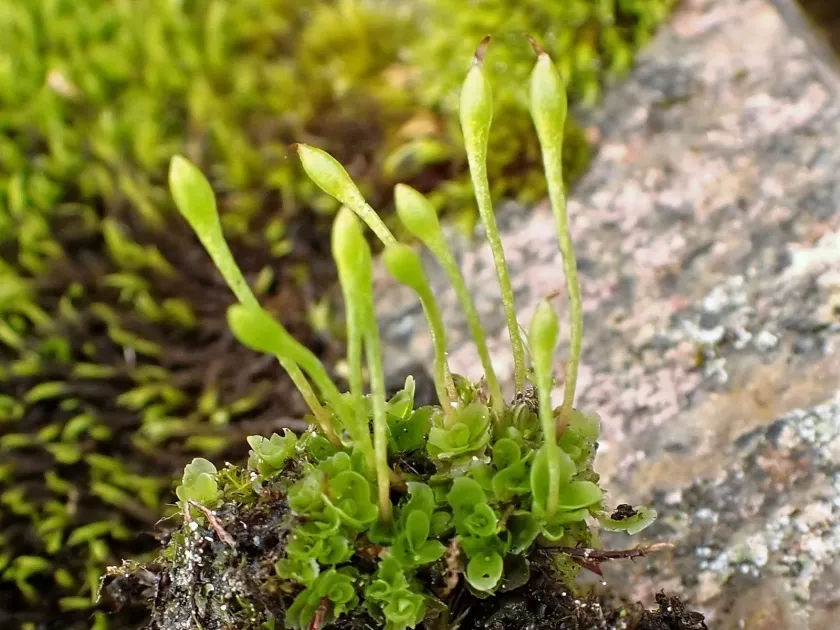
Botanically, this moss is distinguished by its unique sporophyte structure, featuring a thickened stalk that merges into the base of the capsule. This specific morphological trait makes it a subject of evolutionary and botanical research rather than agricultural production.
Its environmental requirements involve a high degree of humidity and low average temperatures. Oedipodium griffithianum acts as an indicator species for specific microclimatic stability, making it highly sensitive to changes in climate and soil degradation.
There are no known farming practices, harvesting methods, or pests associated with this species in an agronomic sense. It remains a wild-growing organism that is preserved primarily through the protection of its fragile alpine and arctic natural habitats.