
Odontitella virgata
Odontitella virgata
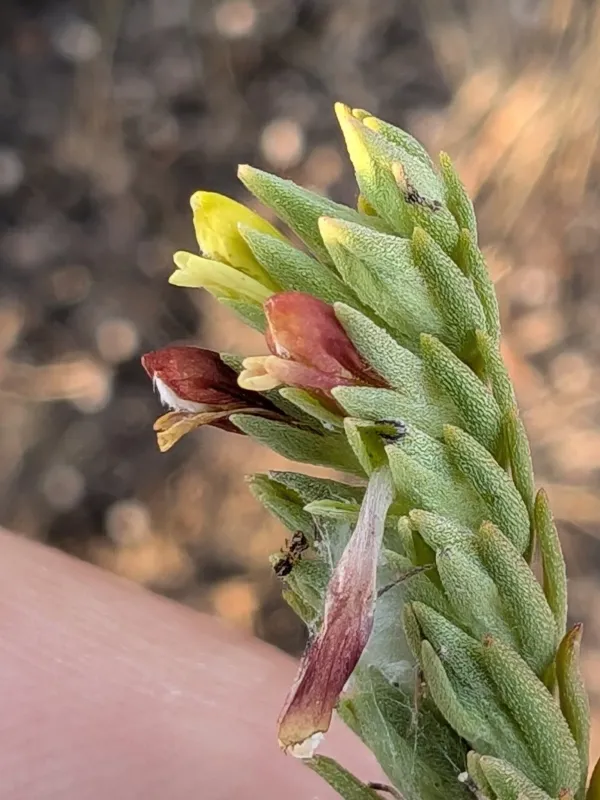
Description
Sowing dates
Odontitella virgata is a hemiparasitic annual plant within the Orobanchaceae family. Propagation primarily relies on seed dispersal, and successful germination requires close proximity to suitable host plants to establish contact via specialized root structures known as haustoria.
Sowing is best performed in early spring. Seeds are extremely small and should be sown onto the soil surface rather than buried, as they require light and specific signals from host roots to break dormancy and trigger germination.
The site selection is critical; the presence of compatible grass or herb species must be ensured to provide the necessary connection for the development of the seedling during its early stages.
When cultivating, it is essential to mimic natural conditions. A low-density broadcasting method is preferred, allowing the seeds to find their host roots naturally without competing with excessive numbers of their own kind.
No special pre-sowing treatments are usually required beyond cold stratification, which typically happens naturally if seeds are sown before the final winter frost.
Growing requirements
This species thrives in open, sunny habitats with well-drained, nutrient-poor to moderately fertile soils. It prefers neutral to slightly alkaline pH levels and is typically found in meadow-like ecosystems.
The plant demonstrates high tolerance to periodic water stress but requires adequate soil moisture during the flowering and seed-setting stages to complete its life cycle successfully.
Climate requirements include temperate conditions with well-defined seasons. Extreme heat or prolonged waterlogging are detrimental and can disrupt the parasitic link, leading to plant mortality.
Fertilization should be avoided. As a hemiparasite, the plant derives much of its water and mineral requirements from the host plant; high nutrient levels in the soil may favor the host too much, causing it to outcompete the Odontitella.
Habitat stability is essential. The plant does not respond well to soil tilling or physical disruption of the root network, as this destroys the haustorial connections established with host species.
Main diseases and pests
Fungal pathogens such as powdery mildew pose the greatest risk, especially in years with high humidity and poor air circulation. These infections can severely impact the plant's photosynthetic capacity.
Insects like aphids and certain bugs can cause damage by feeding on stems and reproductive parts, which often leads to reduced seed set or complete failure of the population to regenerate.
Competition from aggressive, tall-growing weed species is a constant threat. Odontitella virgata is not a competitive plant and will quickly vanish if the surrounding vegetation becomes too dense or shaded.
Improper mowing regimes represent a major man-made threat. If mowing occurs before the plants have fully matured their seeds, the entire local population can be eliminated for the following season.
- Regular assessment of the host plant density to ensure survival.
- Careful management of grazing to prevent over-consumption of the population.