
Odontarrhena cassia
Odontarrhena cassia
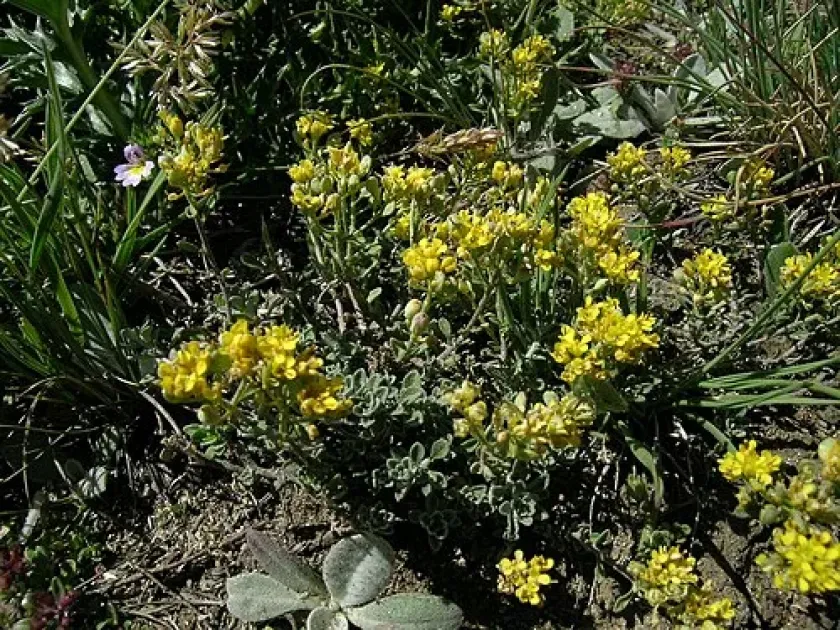
Description
Growing requirements
Odontarrhena cassia is a member of the Brassicaceae family, recognized for its botanical resilience in harsh environments. As a perennial herbaceous plant, it is naturally distributed throughout the arid rocky landscapes of the Eastern Mediterranean region.
The plant exhibits high physiological plasticity, allowing it to colonize nutrient-poor soils. It is particularly well-adapted to serpentine and calcareous soils, which are often challenging for conventional agricultural crops to inhabit.
Successful cultivation requires well-drained soil substrates with a neutral to slightly alkaline pH. Waterlogging is detrimental to the root system and must be strictly avoided during both the seedling and mature stages.
Climate requirements for this species include high solar irradiance and significant temperature ranges. Its adaptation to dry summers and mild winters makes it an ideal candidate for cultivation in arid climates where other crops might fail.
In terms of agricultural use, Odontarrhena cassia has gained significant attention as a nickel hyperaccumulator. This unique biological trait allows it to be used for the decontamination of industrial soils and as a component in sustainable land management strategies.
Main diseases and pests
Crucifer flea beetles represent a primary pest threat, specifically targeting the tender leaves of young seedlings. Their feeding activity can significantly reduce plant stand density if not managed promptly.
Fungal pathogens such as root rot remain a constant risk if soil moisture management is ignored. These diseases are usually triggered by poor drainage or low aeration of the soil environment.
Insects like aphids can colonize the plant during its peak flowering season. While rarely fatal, severe infestations can compromise seed production and overall vigor, necessitating the use of biological control agents.
Preventative cultural practices include ensuring proper spacing between plants to maximize airflow, which effectively limits the spread of airborne spores and reduces moisture accumulation around the base.
Integrated pest management, including weeding and monitoring, is essential to allow the plant to establish itself without competition from more aggressive weeds that may harbor typical cruciferous pests.