
Ochradenus baccatus
Ochradenus baccatus
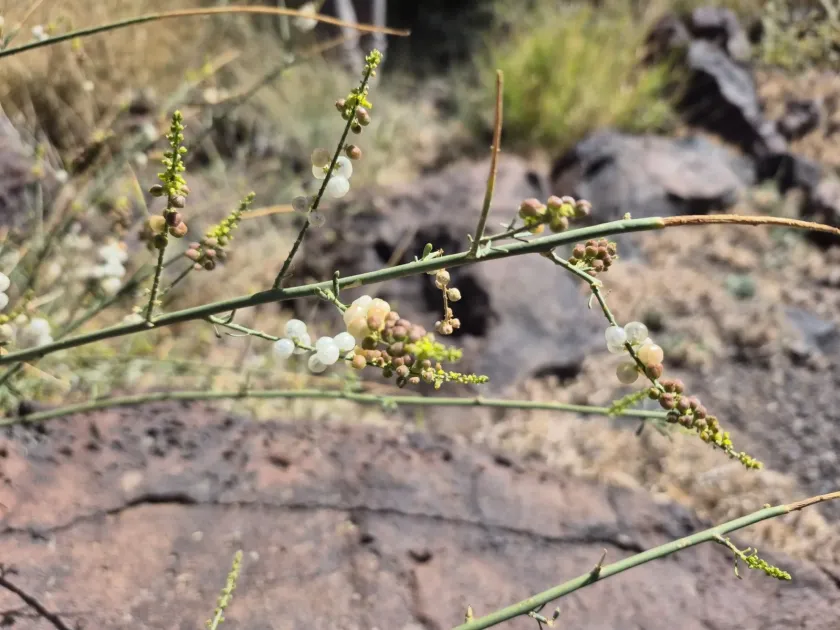
Description
Sowing dates
Ochradenus baccatus is a perennial shrub belonging to the Resedaceae family, well-adapted to the extreme environmental conditions of desert ecosystems.
Propagation is primarily carried out through seeds, which require specific temperature cycles to break dormancy and ensure high germination rates.
In agricultural settings, seeds are sown in mineral-rich, sandy substrates with excellent drainage to prevent excessive moisture around the seeds.
The optimal sowing time is typically after the seasonal wind activity has subsided, allowing seedlings to establish their root systems securely.
Young plants exhibit a slow initial growth rate, requiring growers to maintain adequate spacing to minimize competition for sparse desert resources.
Growing requirements
Native to the Middle East and North Africa, Ochradenus baccatus thrives in arid and hyper-arid climates, showcasing exceptional drought tolerance.
The plant prefers carbonate-rich soils and is highly adapted to areas where nutrient levels are extremely low and solar radiation is intense.
It is a heliophytic species that requires full sun exposure and cannot withstand conditions that lead to stagnant water or soil waterlogging.
The cultural management is minimal, focusing on soil stability and protecting the plant during its juvenile development stage.
Temperature fluctuations, characteristic of its natural habitat, are necessary for the normal physiological processes and overall health of the shrub.
Yield
The primary agricultural use of this plant is in land restoration, soil erosion control, and the development of shelterbelts in arid regions.
It serves as a valuable fodder resource for livestock, including camels and goats, providing green biomass even during prolonged drought periods.
Biomass productivity depends heavily on regional rainfall patterns, though supplemental irrigation can lead to significant increases in yield.
The berries produced by the shrub are ecologically important for supporting local wildlife and bird populations in harsh desert environments.
Economic potential is also being explored in terms of drought-resistant ground cover to mitigate the impacts of desertification and dust storms.
Main diseases and pests
The most significant threats to Ochradenus baccatus include root rot diseases caused by soil pathogens when moisture levels remain too high.
Various desert locusts and insect pests can damage young succulent shoots, reducing the overall photosynthetic capacity of the plants.
Overgrazing by domestic animals poses a persistent threat to the natural regeneration of the species in unprotected rangelands.
Competition from invasive plant species can hinder the establishment of seedlings, making early stage weeding a necessary intervention.
Integrated pest management strategies focusing on early detection of leaf chlorosis and root-related stress are essential for successful cultivation.