
Southern Notothlaspi
Notothlaspi australe
Description
Growing requirements
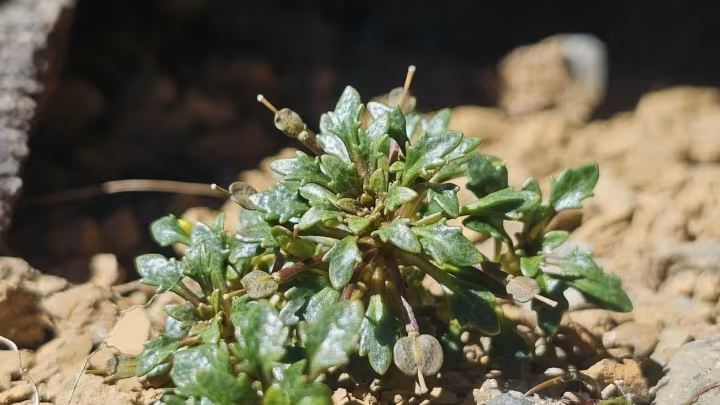
Southern Notothlaspi (Notothlaspi australe) is a distinctive member of the Brassicaceae family, natively found in the high-alpine regions of New Zealand's South Island. It has evolved to thrive in some of the most challenging environments on the planet.
Botanically, the species is known for its dense rosette habit, which provides structural stability against high-altitude winds and helps preserve internal moisture. It typically develops a robust taproot system, designed to anchor the plant securely in unstable scree slopes.
When cultivated, Southern Notothlaspi demands an environment that mimics its natural alpine habitat. This requires a well-drained, porous growing medium, typically comprised of gritty, rocky soil that ensures no standing water remains around the plant's crown.
The plant thrives in regions with intense light but cool ambient temperatures. It struggles in regions with hot, humid summers, which often lead to physiological stress and subsequent decline. Successful growth requires consistent, cool air circulation and avoidance of heat accumulation.
While not a major commercial crop, it is of significant interest to botanical gardens and enthusiasts of alpine flora. It serves as a valuable subject for understanding how plants in the mustard family adapt to extreme, high-stress, and nutrient-poor environments.
Main diseases and pests
The primary threats to Southern Notothlaspi in cultivation are related to fungal pathogens, most notably root and crown rot. These issues are almost exclusively associated with improper moisture management and inadequate drainage in the growing substrate.
Insect pests, common to many brassicas, can pose a localized risk. Specifically, flea beetles and various lepidopteran larvae may damage the foliage. In confined spaces like greenhouses, aphids may also become an issue if the plants are not inspected regularly.
Effective management includes using a gravel mulch layer around the plant. This keeps the lower foliage dry and discourages the conditions that fungal pathogens prefer. Proper air circulation is just as important as the quality of the soil for long-term health.
Pest control should be handled with caution, as high-altitude specialists often show sensitivity to synthetic insecticides developed for standard agricultural crops. Integrated pest management, focusing on early detection and physical removal, is the preferred approach for this delicate plant.
Close monitoring for signs of wilt or discoloration is essential for professional growers. If caught early, adjusting the drainage or microclimate conditions can stop the progression of disease. However, if root rot becomes established, the plant is rarely recoverable due to its specialized nature.