
Normania triphylla
Normania triphylla
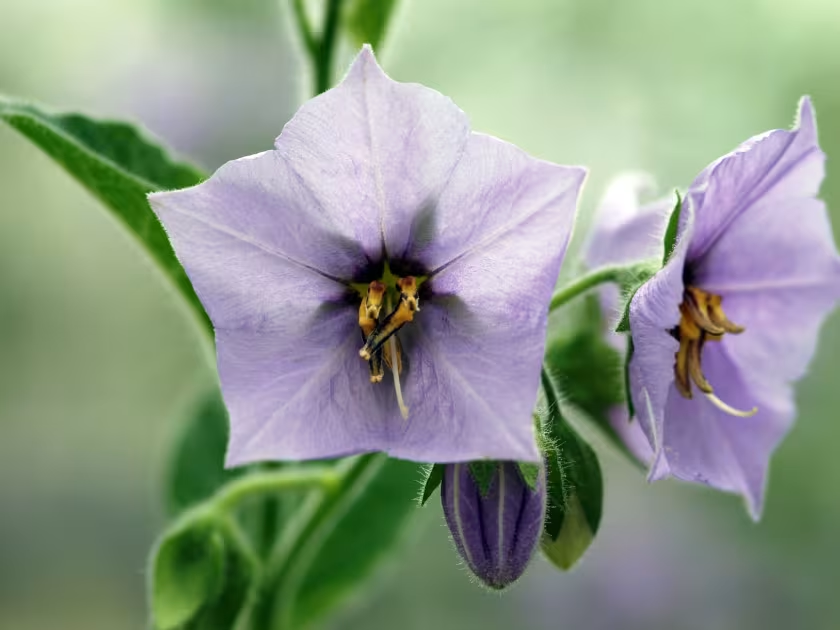
Description
Growing requirements
The species requires a mild, stable climate typical of subtropical regions. The optimal temperature range for active growth lies between 15 and 22 degrees Celsius. Extreme temperatures or rapid fluctuations should be avoided at all costs to ensure the plant's stability.
The soil requirements involve high porosity and excellent drainage. A substrate consisting of peat, perlite, and organic components is usually recommended to maintain the necessary aeration for the roots while preventing waterlogging, which is detrimental to the species.
Lighting should be bright but consistently diffused. Direct, intense sunlight is harmful to the delicate leaves of the plant, often causing tissue damage or chlorosis. Therefore, shading screens are typically used in greenhouse settings to provide optimal light levels.
Watering must be carefully managed to keep the soil moist but not soggy. The species is highly susceptible to root decay if water accumulates in the root zone, making proper irrigation scheduling a critical skill for any cultivator of this species.
Fertilization should be kept to a minimum using dilute, balanced liquid fertilizers. Since the plant is not a high-yield crop, excessive nitrogen application is counterproductive and can lead to succulent growth that is more prone to pest attacks and disease.
Main diseases and pests
Common greenhouse pests, particularly the greenhouse whitefly, pose a significant threat to Normania triphylla. These insects can quickly colonize the plant, leading to stunted growth and the spread of secondary viral infections through their feeding activities.
Spider mites are another frequent problem, especially when ambient humidity drops too low. These pests can be identified by the fine webbing they leave behind on the underside of leaves, which leads to tissue dehydration and leaf drop if left untreated.
Fungal pathogens such as root rot and stem decay are the primary disease threats. These are usually associated with poor airflow and high humidity levels in the substrate, which facilitate the rapid spread of fungal spores in the root zone.
Viral infections, often transmitted via contaminated tools, represent a major concern for the plant's health. Strict hygiene practices, such as sanitizing pruning tools between plants, are essential to prevent the spread of systemic pathogens within a collection.
Effective management involves regular scouting for early signs of infestations. Integrated pest management strategies, focusing on biological controls and environmental optimization, are preferred over chemical interventions, which might be too harsh for such a delicate species.