
Norfolk Island hibiscus
Lagunaria patersonia (Andrews) G. Don
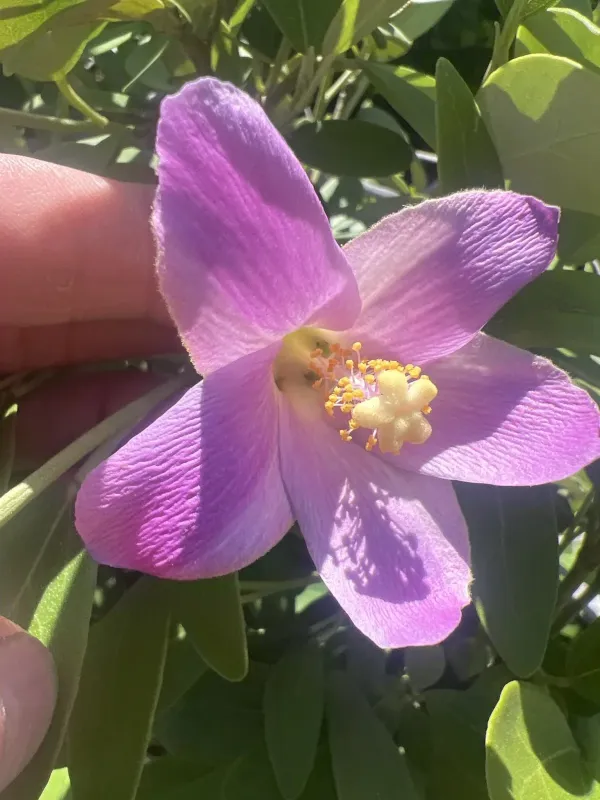
Description
Growing requirements
Lagunaria patersonia, commonly known as the Norfolk Island hibiscus, belongs to the Malvaceae family. This evergreen tree is highly valued for its striking pink flowers and its structural utility as a windbreak in coastal landscapes.
Native to Norfolk Island and parts of coastal Australia, this species thrives in maritime environments. It exhibits significant tolerance to salt spray and winds, making it an excellent candidate for coastal horticulture.
The tree requires full sun exposure to maintain its dense, pyramidal canopy and to promote regular flowering. In shaded conditions, the plant may lose its vigor and become susceptible to structural imbalances.
Cultivation success depends on well-drained soil conditions. While the plant can tolerate short periods of drought, it performs best when supplied with consistent moisture, particularly during its active growing phase in spring and summer.
In terms of temperature, it is sensitive to severe frosts. In regions outside of its natural habitat, it is frequently managed as a container plant, allowing it to be moved to a protected location during colder months.
Main diseases and pests
Pest management for Lagunaria patersonia primarily involves monitoring for mealybugs and scale insects. These pests often congregate on the undersides of leaves or along the woody stems.
An important botanical feature to note is the presence of fine, irritating hairs on the seeds and fruit capsules. Agricultural workers and gardeners should wear gloves to prevent skin irritation during handling.
Root rot is the most common physiological disorder caused by waterlogged soil. Ensuring that containers have adequate drainage holes and that outdoor soil is aerated is essential to prevent this issue.
Preventative care, including the application of horticultural oils or systemic insecticides, can manage pest populations before they cause significant damage to the plant's aesthetic and physiological health.
Maintaining a clean growing environment by removing fallen debris and dead foliage helps reduce the risk of secondary fungal infections that can compromise the tree's health.