
Norantea guianensis
Norantea guainensis
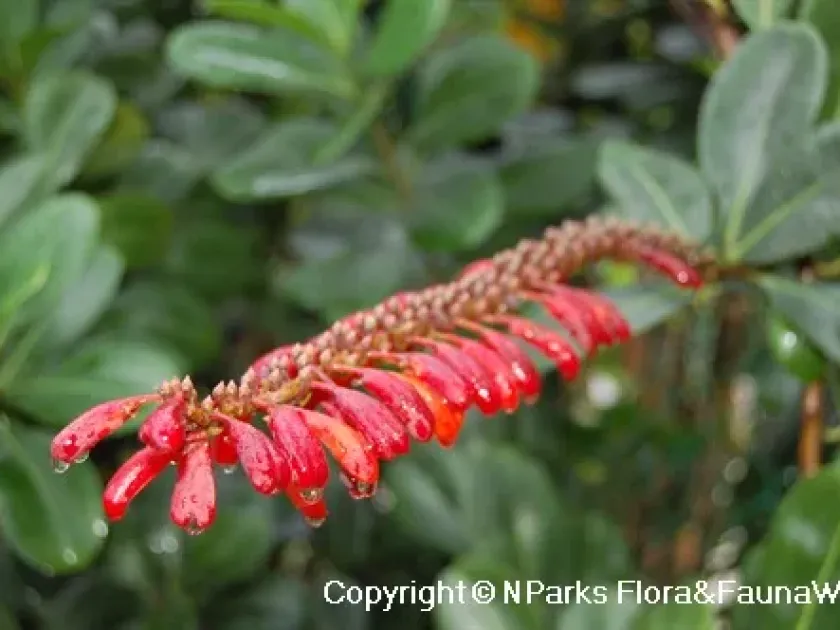
Description
Growing requirements
Norantea guianensis is a prominent member of the Marcgraviaceae family, recognized for its vibrant, candle-like inflorescences. This woody vine is native to the tropical rainforests of South America, naturally occurring in regions like Guyana, Brazil, and Venezuela.
The plant thrives in a tropical climate characterized by consistently high humidity and warm temperatures throughout the year. It naturally competes for light in the forest canopy, making it an excellent candidate for tall greenhouse structures.
Successful cultivation requires nutrient-rich, well-draining soils with a slightly acidic pH. Proper drainage is the most critical factor to prevent root asphyxiation, as this species cannot tolerate standing water around its root system.
Agricultural management includes regular fertilization using balanced organic compounds during the active growth season. Additionally, maintaining high air humidity levels is essential, often requiring misting systems or controlled environmental chambers.
Economically, this species is highly valued in the horticultural trade for its decorative flowers. Its unique morphology, which attracts avian pollinators in its native range, makes it a popular botanical specimen for specialized plant collections and luxury landscapes.
Main diseases and pests
The primary threats to Norantea guianensis are fungal pathogens that thrive in low-ventilation environments. Root rot is the most common issue, usually triggered by improper watering schedules or poor soil aeration.
Pest pressures primarily involve sucking insects, such as spider mites and mealybugs, which exploit the plant's succulent tissues. Integrated pest management strategies, including the use of systemic insecticides, are necessary to ensure the health of the specimens.